
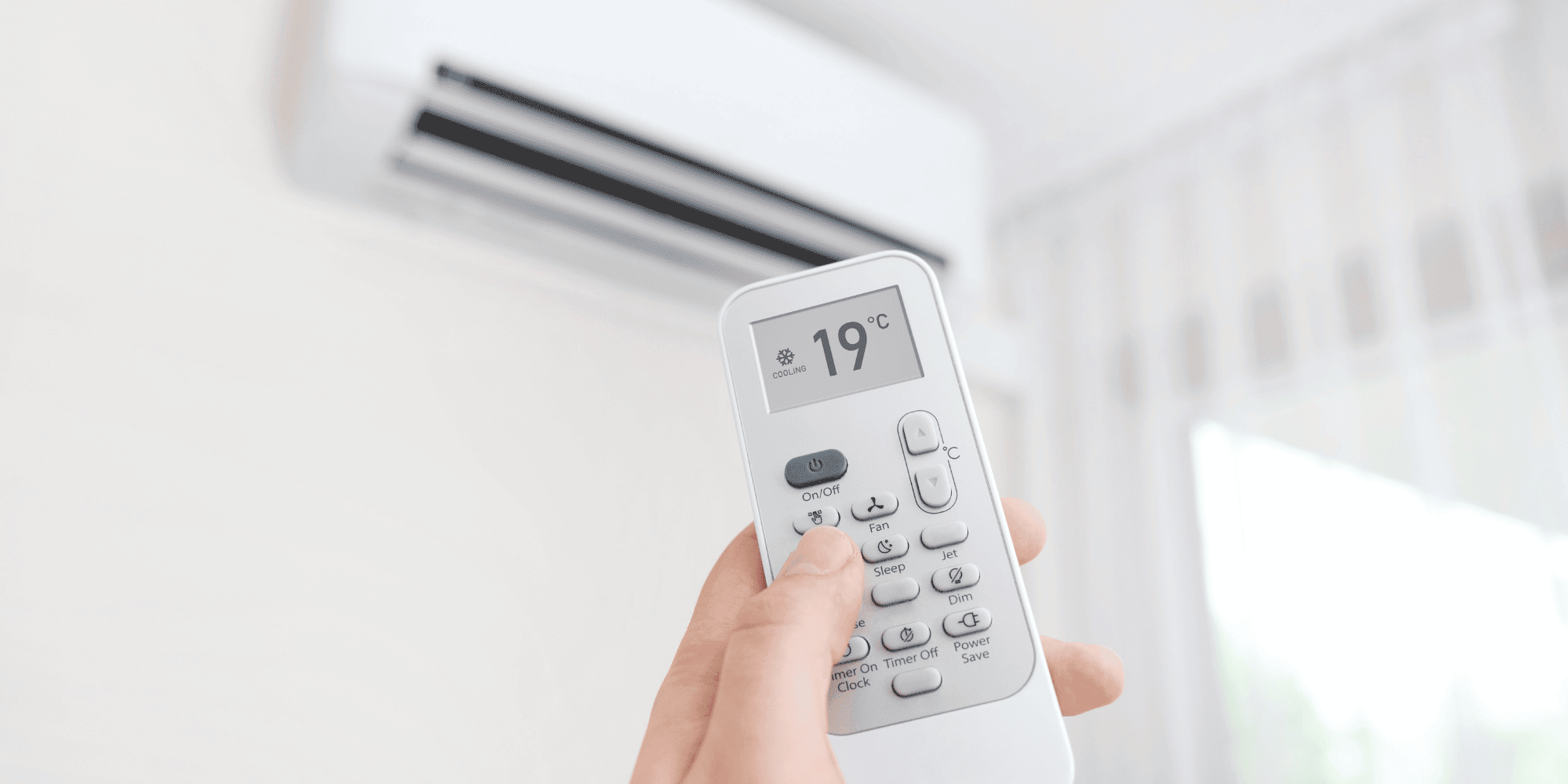
The transition to spring in Maine brings picturesque scenes of snow giving way to green. Unfortunately, it also brings the arrival of allergy season and a rise in outdoor irritants. This begs the question: what impact does your home’s HVAC system have on the allergens you breathe indoors? Consider this: your HVAC can be either a valuable tool in managing spring allergies within your house or a significant contributor to them, depending on its upkeep.
As spring arrives in Maine, many homeowners find their indoor sanctuaries compromised by an increase in allergens. The transition from snowy landscapes to blooming flora brings more than just vibrant colors; it also introduces a host of airborne irritants that can infiltrate your home.
The 3 Common Maine Spring Allergens
Maine’s spring is synonymous with specific allergens that can exacerbate allergy symptoms indoors. Tree pollen is perhaps the most notorious, as trees like oak, birch, and maple release vast quantities of pollen. This fine, powdery substance easily finds its way inside homes, often hitching rides on clothes or pets.
Another significant allergen is mold spores, which thrive in damp conditions. As snow melts, increased moisture can lead to mold growth in unexpected places, including basements and bathrooms. These spores travel through the air, contributing to poor indoor air quality.
Lastly, dust mites become more active in warmer weather. They thrive in humid environments, making spring a perfect time for them to multiply. Dust mites often settle in carpets, upholstery, and bedding, further aggravating allergy sufferers.
How These Allergens Get Inside
Allergens have a knack for finding pathways into homes. Windows and doors left open to enjoy the fresh spring air can inadvertently invite pollen and mold spores indoors. These minute particles are easily carried by the wind and can settle on surfaces throughout the house.
HVAC systems, while essential for maintaining home comfort, can sometimes aid in the distribution of allergens. When these systems pull in outside air, they may inadvertently bring in allergens, dispersing them throughout the home.
Pets also play a role in transporting allergens. After spending time outdoors, they can carry pollen and dust mites on their fur, introducing these allergens into living spaces. Regular cleaning of both pets and home surfaces is crucial in minimizing this effect.
Role of Your HVAC System
Your HVAC system plays a pivotal role in managing indoor air quality during allergy season. Depending on its condition and maintenance, it can either mitigate or exacerbate allergy symptoms.
How HVAC Systems Can Help
When well-maintained, an HVAC system can significantly improve indoor air quality. Air filters are the first line of defense, capturing airborne particles like pollen, dust mites, and mold spores. Filters should be replaced regularly to maintain their effectiveness and ensure proper allergen control.
Humidity control is another benefit of HVAC systems. By regulating indoor humidity levels, these systems can prevent mold growth and reduce dust mite activity, contributing to a more comfortable living environment.
Ventilation provided by an HVAC system helps dilute indoor allergens by bringing in fresh outdoor air. Proper ventilation ensures that stale, allergen-laden air is replaced, enhancing overall home comfort.
When HVAC Becomes a Foe
If neglected, HVAC systems can become a source of allergens themselves. Dirty filters can circulate allergens back into the air, reducing indoor air quality. It’s essential to check and replace these filters regularly to avoid this issue.
Mold can also grow within HVAC systems, particularly in areas with high humidity. This can lead to the distribution of mold spores throughout the home, aggravating allergy symptoms. Routine inspections and cleaning are necessary to prevent mold buildup.
Leaky ducts are another concern. They can draw in dust and pollen from unconditioned spaces like attics and basements, compromising indoor air quality. Sealing and insulating ducts can help mitigate this issue effectively.
Strategies for Optimal Allergen Control
To truly manage indoor allergens during spring, homeowners should adopt a proactive approach. Here are some strategies for optimizing your HVAC system’s effectiveness against allergens.
Maintenance Tips for Better Air Quality
Regular maintenance is key to keeping your HVAC system in top shape. Here are some actionable tips:
- Replace air filters every 1-3 months to ensure they capture allergens effectively.
- Schedule professional HVAC inspections twice a year to check for mold and other issues.
- Clean ducts and vents regularly to prevent the buildup of dust and pollen.
- Use high-efficiency particulate air (HEPA) filters for enhanced allergen control.
- Monitor indoor humidity levels and adjust as needed to discourage mold growth.
Implementing these steps can help maintain a healthier indoor environment and improve home comfort.
Upgrading Your HVAC for Allergy Relief
Consider upgrading your system to further alleviate allergy symptoms. Here are some options:
- Install a whole-home air purifier to remove allergens from the air.
- Opt for a smart thermostat to better control your home’s temperature and humidity levels.
- Invest in a dehumidifier to keep moisture levels in check, reducing dust mites and mold.
- Explore advanced filtration systems that target specific allergens.
These upgrades can significantly enhance your home’s ability to combat spring allergies, providing a more comfortable and healthier living space.
Breathe Easier with Efficiency Maine
Spring in Maine, while beautiful, presents allergy challenges. Your HVAC system is a key tool in this fight. Regular maintenance, filter changes, and humidity control create a healthier indoor environment. Consider system upgrades and explore resources like Efficiency Maine for potential rebates on energy-efficient, allergy-reducing HVAC improvements. By taking proactive steps and leveraging available programs, you can transform your HVAC from a potential foe into a powerful ally against spring allergens, allowing you to truly enjoy the season indoors. Visit the Efficiency Maine website to learn more about available rebates.
