
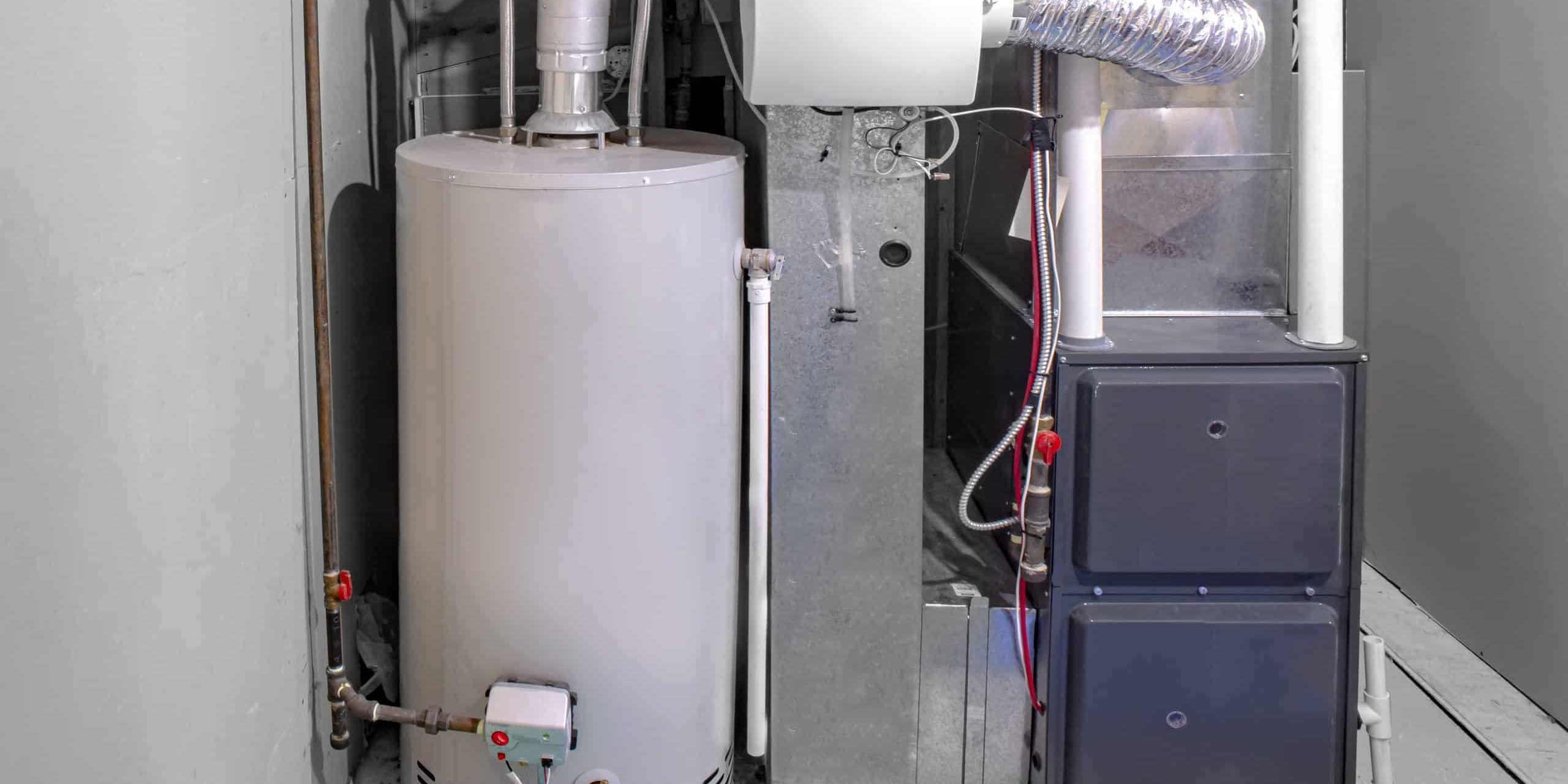
Imagine facing another cold winter with a furnace that barely keeps your home warm while sky-high energy bills add extra stress. It’s a stressful situation that many homeowners can relate to, but fortunately, there’s a clear path to finding the perfect solution. Choosing the right furnace for your home doesn’t have to be overwhelming. It starts by understanding what specific heating needs your home has.
Navigating through various furnace options requires examining key aspects such as climate conditions, home structure, and precise heating requirements. By investing time in gathering detailed information and consulting experts, you will make an informed decision that saves money and keeps your family comfortable. Let’s begin this journey by looking at the essential steps for determining your home’s heating needs.
The first step is to consider your climate and heating needs, then assess factors such as fuel type, energy efficiency, and proper sizing. Additionally, evaluating consumer reviews and seeking professional installation services are essential steps in making an informed decision.
Assessing Home Heating Needs
Choosing the right furnace for your home isn’t just about picking a unit with a great sales pitch or a big brand name; it’s about finding a system that will efficiently and effectively heat your unique living space. To identify the most suitable heating system for your home, you’ll need to consider various factors specific to your location, dwelling, and lifestyle. Let’s explore the steps to get this just right.
Step I: Understand Your Climate
The first crucial step is understanding the climate in the area where you live. The heating demands of a home in a chilly northern region are significantly different from those of a residence in a temperate southern locale. Cold weather means your heating system will need to work harder and more consistently, while milder areas may require less powerful systems.
In colder regions, homes necessitate robust heating systems to provide comfort during freezing temperatures. Conversely, homes in milder climates may be adequately heated with less powerful and energy-efficient units.
Step II: Evaluate Structural Aspects
Next, take a close look at your home’s structural elements. Consider the size of your living space, the quality of insulation, and the efficiency of your windows. A larger home with poor insulation or outdated single-pane windows may require a more powerful furnace to maintain comfortable indoor temperatures efficiently.
For instance, if you live in an older house with inadequate insulation and drafty old windows, you’ll likely need a furnace with a higher heating capacity to combat heat loss and maintain a comfortable environment inside.
Step III: Conduct a Heat Load Calculation
Performing a heat load calculation is essential for determining the precise heating requirements of your home. Utilize a manual J load calculation to factor in your climate, home size, insulation quality, window efficiency, and household size. This comprehensive calculation will provide you with accurate information on the amount of heating capacity needed to keep your home comfortably warm.
Whether you choose to use online calculators or hire professionals for an in-depth assessment, conducting a manual J load calculation allows for a more accurate evaluation of your heating needs. By factoring in various parameters unique to your home, such as local climate conditions and household specifics, this calculation ensures that you select a furnace that meets your specific heating requirements accurately.
By following these key steps and gaining an understanding of how climate, structural aspects, and heat load calculations impact your heating needs, you can make informed decisions when selecting the right furnace for your home.
Understanding the intricacies of selecting an appropriate furnace is the cornerstone of optimizing heating efficiency. Now, let’s dive into another critical aspect—determining the proper furnace size.
Determining the Proper Furnace Size
Selecting a furnace may seem daunting, but determining the correct size for your space can make all the difference in ensuring comfort throughout your home. One of the most important aspects of choosing a furnace is matching its capacity to your British Thermal Unit (BTU) requirements.
Let’s examine this further. If you imagined a furnace as a pair of shoes, you’d want them to fit just right—neither too tight nor too loose. Likewise, an oversized furnace is like wearing shoes two sizes too big; it won’t serve its purpose effectively. When a furnace’s capacity exceeds what’s needed, it tends to cycle on and off frequently, resulting in inefficiency and even wear and tear over time.
On the other hand, an undersized furnace struggles to keep up with demand and may run continuously, driving up energy bills and causing discomfort throughout your home. It’s not about buying the biggest and most powerful unit available; it’s about finding the right match for your specific heating needs.
For example, imagine you have a 2,000-square-foot home with moderate insulation. Using the general rule of 35–45 BTUs per square foot for moderate climates, this would require a furnace with a capacity of approximately 70,000–90,000 BTUs (2,000 sq ft x 35–45 BTUs). By understanding these calculations and aiming for an appropriately sized furnace, you’re taking proactive steps towards achieving optimal heating efficiency while also managing energy costs.
However, it’s important to note that these figures are general estimates based on climate and insulation levels. For an accurate recommendation that’s tailored to your unique home specifications, professional sizing assistance from HVAC experts is crucial. Consulting professionals can provide precise recommendations that factor in variables such as ceiling height, window quality, and any other specific characteristics of your home that impact heating requirements.
This is where our team at Edge Energy comes in. Our HVAC experts have the knowledge and experience to analyze your space and provide personalized sizing advice to ensure that you select the right furnace for your home.
Understanding the importance of selecting the proper furnace size is key to achieving efficient and effective heating in your home. By ensuring that your furnace matches your BTU requirements, you’ll be on track toward optimizing both comfort and cost-efficiency within your living space.
With a solid grasp of how crucial proper furnace sizing is, it’s time to explore the different fuel types available and their efficiency ratings in order to make an informed choice for your home.
Exploring Fuel Types and Efficiency
When choosing a furnace, different fuel options are available—natural gas, propane, electric, or oil. Each fuel type has its own advantages and drawbacks, so comprehending them can help you make an informed decision about what best suits your home.
Let’s start by taking a closer look at each fuel type:
- Natural gas is highly efficient and cost-effective; it’s widely available in many areas, making it a popular choice among homeowners. However, potential leaks present a safety concern despite its low carbon footprint.
- Propane: It’s versatile and efficient but the cost may fluctuate based on supply and demand factors.
- Electricity: Known for their high efficiency ratings, they might have higher operating costs, especially in regions with high electricity prices. Ideal for areas without natural gas or propane availability.
- Oil is commonly used in areas without access to natural gas, offering reliable heating with potentially higher operating costs compared to natural gas or electricity. Additionally, they aren’t vulnerable to power outages due to their lack of reliance on electrical components for operation.
As you consider these options, remember that fuel prices vary based on location and market conditions. So it’s essential to weigh the initial cost along with ongoing operational expenses before deciding.
Selecting Reliable Furnace Brands
When it comes to choosing a furnace for your home, reliability is key. You want to make sure you’re investing in a brand that is known for its performance and durability. Here are the steps you need to take to ensure you’re choosing a reliable furnace brand:.
Step I: Research Top Brands
Researching the top furnace brands is essential. Look for well-known names like Trane, Carrier, Lennox, and Goodman. These brands have earned their reputation for reliability and performance through years of delivering quality products.
It’s similar to buying a car—people trust certain car brands because they know those brands have a history of making good cars. The same goes for furnace brands. People trust Trane, Lennox, Carrier, and Goodman because they’ve proven themselves over time.
Step II: Read consumer reviews.
After identifying the top furnace brands, it’s important to check consumer reviews. Platforms like Consumer Reports and the Better Business Bureau offer valuable insights into user experiences and satisfaction levels with different furnace brands. You can learn a lot from the experiences of other homeowners who have used these furnaces.
Keep in mind that not all reviews are created equal. Look for patterns and common themes across multiple reviews to get a balanced understanding of how people feel about a particular brand.
Step III: Warranty and Support
Warranty coverage and customer support are important factors when evaluating furnace brands. A longer warranty that the manufacturer offers may be a sign of their confidence in the product’s durability. Additionally, easily accessible customer support can make a big difference if you ever encounter issues with your furnace. It’s like having roadside assistance for your car—a reliable support system can provide peace of mind.
Step IV: Expert Recommendations
Consulting HVAC professionals can provide invaluable insights based on hands-on experience with various furnace brands. At Edge Energy, our experts can guide you through the selection process, helping you choose a brand that meets your specific heating needs. They can take into account factors such as the size of your home, the climate conditions in your area, and any specific requirements you may have.
By taking these steps into account, you’ll be well-equipped to choose a reliable furnace brand that will keep your home warm and comfortable for years to come.
Installation Process and Professional Help
When it comes to installing a new furnace, it’s best to leave it to the professionals. Sure, you might be tempted to tackle the job yourself, especially if you’re handy around the house, but this isn’t like fixing a leaky faucet or replacing a lightbulb. Installing a furnace demands expertise and precision.
The process begins with an initial consultation, where a professional HVAC technician will visit your home to evaluate what type of furnace is best suited for your specific needs. They’ll inspect your current setup, checking things like the layout of your home, existing ductwork, and any potential issues that may need to be addressed before installation.
Next comes the removal of the old unit. This step involves safely disconnecting and removing the old furnace while ensuring that it is disposed of properly. This is something best left to professionals who have experience handling old equipment and are aware of proper disposal regulations.
Once the old unit is out, it’s time for the installation of the new furnace. Here’s where things can get tricky: from aligning the ductwork correctly to wiring the system, following the manufacturer’s guidelines is crucial for both optimal performance and safety.
After the installation is complete, the system must be thoroughly tested to ensure everything is working as it should. This includes checking airflow, testing for gas leaks (if applicable), and verifying that all components are functioning properly.
By enlisting professional help from Edge Energy, you can rest assured that your new furnace will be installed properly, providing efficient and reliable heating for your home. So why take on unnecessary risks when you have experts ready to assist?
When it’s time to evaluate whether a switch from a gas furnace to an electric heat pump makes sense for your home or vice versa, there are multiple considerations at play. If you’re considering investing in a new furnace, carefully analyzing costs and long-term savings is essential to making an informed decision. This proactive approach can certainly lead to greater comfort and financial benefits in the long run.
Need more guidance in choosing the right furnace for your home? Contact us today!
