
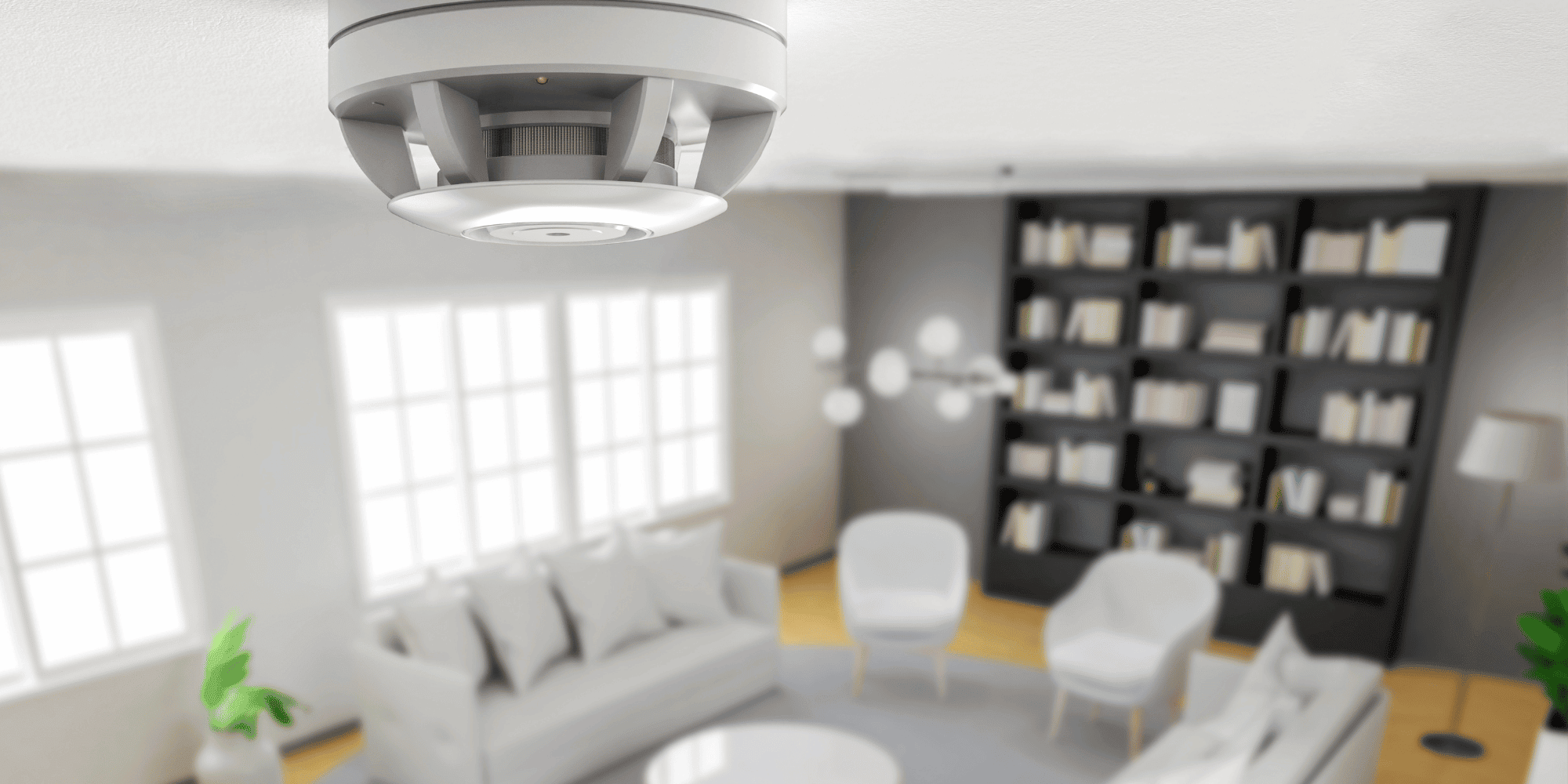
Carbon monoxide (CO) is one of the leading causes of accidental poisoning in the U.S. This invisible, odorless gas is a serious hazard—but the good news is, it’s easily preventable with the right steps. A working CO detector and regular HVAC maintenance can make all the difference in protecting your home.
Understanding Carbon Monoxide and Your HVAC System
CO is a silent but deadly threat. Knowing how it enters your home—and how your HVAC system factors in—is the first step toward keeping your family safe.
The Silent Danger
Carbon monoxide has no smell, no taste, and no color, which makes it especially dangerous. Symptoms of CO poisoning include:
- Headaches
- Dizziness
- Nausea
- Confusion
Because these signs often resemble the flu, many people don’t realize they’re in danger until it’s too late. That’s why prevention is critical.
Tip: If you ever suspect CO exposure, get outside immediately and seek medical attention.
Common CO Sources in the Home
Carbon monoxide can come from many fuel-burning appliances, including:
- Furnaces and water heaters
- Gas stoves and fireplaces
- Vehicle exhaust from attached garages
- Generators (especially during outages)
Blocked vents or malfunctioning HVAC components can also allow CO to accumulate indoors. That’s why regular inspections and clear ventilation pathways are essential.
Why CO Detectors Are Non-Negotiable
A working CO detector is your first line of defense against this invisible threat. It alerts you before levels become dangerous—giving you time to act.
Essential Safety Tips
- Install CO detectors on every floor, especially near bedrooms
- Test detectors monthly
- Change batteries at least twice a year
A CO detector only works if it’s maintained. Don’t skip those monthly tests.
Make sure everyone in your household knows what the alarm sounds like and what to do if it goes off. Fast action saves lives.
Detector Placement and Maintenance
Detector performance depends on where you install it and how well it’s maintained.
Placement Matters
- Mount detectors at eye level or higher (CO rises with warm air)
- Avoid placing near vents, fans, or bathrooms to prevent false alarms
Maintenance Musts
- Replace units every 5–7 years
- Vacuum or brush detectors regularly to remove dust
- Log test and battery change dates to stay on track
A few minutes of upkeep can mean the difference between safety and disaster.
Why HVAC Maintenance Plays a Key Role
Your HVAC system can either help prevent CO leaks—or become a major source of them. That’s why professional maintenance is so important.
Prevent Leaks Before They Start
A qualified technician can:
- Inspect your system for cracks or leaks
- Check your heat exchanger
- Ensure proper ventilation
Schedule your HVAC inspection once a year, ideally before the heating season begins.
Stay Safe and Efficient
- Replace filters regularly
- Watch for rust or corrosion
- Keep intake/exhaust vents clear
Routine checks help your system run efficiently and keep your family safe from hidden dangers.
Protect Your Home—And Save While You Do It
If you’re considering an upgrade, here’s even better news: Efficiency Maine offers rebates on high-efficiency HVAC systems that improve comfort and safety while lowering energy costs.
Visit our Efficiency Maine page to see how much you could save.
