
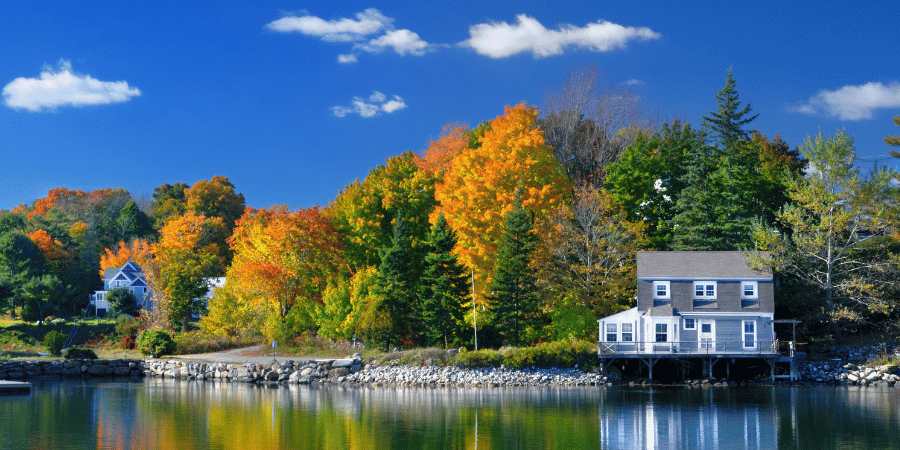
You open your Maine lake cabin for a long August weekend and within hours, the air turns thick and heavy. Everyone starts coughing, and that familiar cottage dampness settles in, stubborn and unshakable. This “Lake House Effect” traps moisture in wood and fabrics, making your seasonal camp feel more like a cave than a retreat.
Fortunately, the team at Edge Energy knows exactly how to handle these unique coastal and lakefront climate challenges. Keep reading to understand why this happens and what seasonal camp solutions can clear the air for good.
Understanding the Lake House Effect
When you step into your cabin and feel that heavy, damp air, you’re experiencing the “Lake House Effect.” This issue arises from specific environmental factors unique to lakefront properties, and understanding the root cause is the first step to fixing it.
Causes of Cottage Dampness
Moisture in cabins often starts with the natural environment. Being right on the water, these structures are constantly exposed to high humidity levels. You might notice your wooden floors feeling sticky or your fabrics developing a musty odor. This happens because wood, drywall, and textiles act like sponges, soaking up moisture from the air and creating an ideal setting for mold and mildew.
Another factor is poor insulation. Many seasonal homes were built with minimal weatherproofing, allowing outdoor humidity to seep inside effortlessly. While you may think that simply sealing windows and doors is enough, without proper insulation, moisture will always find a way in.
The Impact of Air Stagnation
Air stagnation is the invisible culprit that makes things worse. When air doesn’t circulate, it becomes stagnant and laden with moisture, making every breath feel thick and uncomfortable. Opening a window might seem like a quick fix, but if there isn’t an outdoor breeze, that damp air just stays trapped inside.
Stagnant air isn’t just uncomfortable. It can also contribute to coughing, sneezing, and general discomfort as excess moisture lingers indoors. Left unaddressed, damp conditions can encourage mold growth and reduce overall indoor air quality.
Practical Ways to Combat Cabin Moisture
Understanding the Lake House Effect is just the first step. To banish that cave-like atmosphere and reclaim your retreat, you need to target both humidity and airflow.
Smart Seasonal Camp Solutions
The key to tackling moisture in your cabin lies in targeted solutions:
- Invest in a high-capacity dehumidifier: This device actively removes excess moisture from the air, helping your cabin feel noticeably drier within just a few days.
- Upgrade to moisture-resistant insulation: Replacing old fiberglass with modern, moisture-resistant materials creates a stronger thermal barrier in areas where humidity commonly enters.
- Use localized moisture absorbers: Place silica gel packets or charcoal bags in closets, drawers, and crawlspaces where ventilation is limited.
Effective Air Circulation Techniques
Air circulation is essential for keeping your cabin fresh. Use ceiling fans and portable fans to keep the air moving, as even gentle airflow helps break up stagnant, moisture-filled air.
Cross-ventilation can also make a significant difference. Opening windows on opposite sides of the cabin creates natural airflow that replaces stale indoor air with fresh outdoor air, helping reduce excess humidity.
Long-Term Solutions for Lakefront Properties
While quick fixes can improve comfort, long-term moisture control requires upgrades that address your cabin’s overall performance.
- Install high-efficiency heat pumps: Modern heat pumps provide efficient heating and cooling while helping remove excess indoor humidity throughout the season.
- Upgrade to double-glazed windows: Better-insulated windows help reduce moisture intrusion and improve overall energy efficiency.
- Evaluate exterior weather barriers: Modern roofing materials, siding, and house wraps help keep unwanted moisture out before it reaches your home’s structure.
If you’re ready to banish the Lake House Effect for good with high-efficiency upgrades like heat pumps or advanced ventilation, Maine homeowners have a major advantage. You can take advantage of substantial energy rebates through the Efficiency Maine program to help offset installation costs.
To maximize your savings while improving comfort and indoor air quality, visit the Edge Energy Efficiency Maine page and get started today.
