
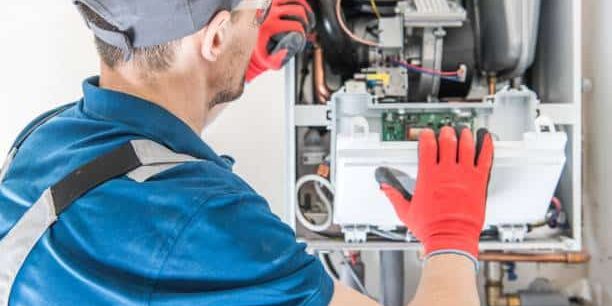
The average price for installing a furnace can typically fall between $2,800 and $6,800, with most folks spending around $4,700. This range in cost is defined by several elements, such as the type of furnace, its size, and how complex the installation process might be. However, one should keep in mind that these figures can sway depending on your local area and unique installation specifications. Contacting a reliable heating and cooling service provider will provide you with a more customized estimate that fits your specific needs. It’s time to examine those influencing factors in depth. If you’re considering a natural gas furnace, the furnace costs, replacement expenses, and installation may differ compared to other types. Ensure you discuss these details with your HVAC contractor.
The cost of installing a furnace can vary based on factors such as the type of furnace, size, and energy efficiency. On average, homeowners can expect to pay between $2,800 and $6,800 for a new furnace installation. It’s essential to consult with a professional HVAC technician to receive an accurate estimate tailored to your specific needs and house. This article offers valuable information for those considering the addition of an oil furnace to their home, along with precise recommendations to handle the potential costs linked to thermal units.
What is the average furnace installation cost?
The average cost of installing a furnace can range from around $2,800 to $6,800, with the typical cost hovering at approximately $4,700. However, these figures should be viewed as general estimates rather than universal values. Various factors, such as the type of furnace required, its size, and the complexity of the installation, significantly impact the final cost. When planning for a replacement, particularly if you’re thinking about switching to a gas furnace, consulting with experienced HVAC contractors is crucial to addressing pricing issues and problem-solving involving thermal units. For instance, different types of furnaces—such as electric, natural gas, or oil—come with their own installation costs, contributing to the overall price. Additionally, the physical size of the furnace is a crucial determinant; larger units designed for heating larger spaces tend to be more expensive.
The complexity of installation work is another significant element that may influence costs. Extensive ductwork or modifications can increase labor and material overhead. The consideration of installing a new thermostat or addressing ventilation requirements may also add to the final bill. Also, necessary permits from local authorities can affect the overall timeline and cost. This information is crucial for planning your budget effectively when considering updating your oil furnace at home, including accommodating the specific thermal units. It’s important for homeowners to recognize that while these averages provide a useful ballpark figure, actual costs are subject to variations based on location and individual installation specifications.
Factors such as local labor rates, building codes, and permit requirements play a role in customizing these estimates for each unique circumstance. Engaging a licensed HVAC contractor to navigate these requirements is advisable for comprehensive problem-solving and precise recommendations. In order to obtain precise and personalized cost projections tailored to your specific needs, it’s highly advisable to engage in detailed consultations with reputable heating and cooling service providers. This step ensures that accurate estimations are made based on your home’s requirements and environmental nuances, ultimately setting a clear pathway to manage furnace costs efficiently while considering all key factors, including energy efficiencies and thermal units.
Understanding the average furnace installation cost serves as a foundational step in planning for this essential household upgrade. By identifying the contributing factors and acknowledging the potential range of expenses involved, homeowners can make well-informed choices when it comes to their heating systems, making effective decisions regarding energy usage and money management within their price range.
Influencing Factors of Installation Costs
When considering the cost of furnace installation, several key factors come into play, including where the furnace is installed, such as in a basement. Let’s take a closer look for a better understanding of why installation costs can vary significantly. In many cases, one crucial factor determining the cost is whether additional components, like a heat source upgrade, are necessary.
Furnace Type
The type of furnace you choose has a substantial impact on installation costs. Selecting a natural furnace typically involves different considerations, such as the availability of gas lines and the need for certain permits, which can affect the total furnace cost. Each type—be it electric, natural gas, propane, or oil—comes with its own set of equipment prices, fuel sources, and installation requirements. For instance, electric furnaces typically have lower upfront costs compared to natural gas or oil furnaces. High-efficiency units with higher AFUE (Annual Fuel Utilization Efficiency) ratings generally have a higher upfront cost but can lead to long-term savings on energy bills. It’s important to consider the long-term benefits associated with high-efficiency furnaces when weighing the upfront investment.
These units not only offer improved energy efficiency but also contribute to reduced monthly energy expenses, providing significant savings over time. For these reasons, it is crucial to understand the impact of choosing a furnace with an Energy Star rating, which can help reduce furnace replacement costs over the long term.
Additional Components
In addition to the main furnace unit, the need for additional components such as ductwork modifications, air filtration systems, or digital thermostats can impact installation costs. Modifications to existing ductwork configurations or the addition of air filtration systems may necessitate extra labor and materials, thereby influencing overall installation expenses. Similarly, the installation of advanced digital theractors designed for optimal performance and energy efficiency may add to the total installation cost. Engaging reliable installers or a contractor experienced in basement installations and furnace replacements is essential for an efficient setup.
Considering these factors is crucial for making informed decisions about your furnace installation. Whether you’re aiming to prioritize cost-effectiveness or long-term energy savings, evaluating these influencing factors can help you determine the most suitable options for your home. This includes considering both furnace replacement and the installation of energy-efficient systems like a heat pump. Understanding these influential factors provides valuable insight into the comprehensive nature of furnace installation costs. By carefully considering each element and its potential impact on pricing, homeowners can make well-informed decisions when planning for a new furnace installation.
Cost Variation Among Different Types of Furnaces
When it comes to choosing a furnace for your home, the type you select plays a significant role not just in the initial installation cost but also in the long-term expenses, such as how natural gas furnace costs compare to electric models. Let’s delve into the details of the cost variations among different types of furnaces.
Electric Furnaces
Electric furnaces are often sought after for their lower upfront cost, ranging from $1,600 to $6,900. They are especially suitable for milder climates where extreme cold temperatures are less common. Another benefit is that they have lower maintenance costs compared to other types of furnaces. However, their reliance on electricity may lead to higher operating costs, as electricity tends to be more expensive than natural gas or propane. Additionally, the design of electric furnaces includes quality insulation to help maintain efficiency. The gentle sounds of an electric furnace running can be less disruptive compared to other types.
One key thing to consider when thinking about electric furnaces is their energy efficacy. While they are generally slower in heating larger homes, they boast an impressive annual fuel utilization efficiency (AFUE) rating, falling between 95% and 100% This higher energy efficiency can offset their high operating costs over time, making them an attractive option for homeowners looking for long-term savings on energy bills. Each brand offers warranties for their products, ensuring long-term reliability.
Natural Gas Furnaces
Natural gas furnaces have a cost range of $3,800 to $10,000. They are popular due to their faster heating capabilities and lower operating costs compared to electric furnaces. If your home already has access to natural gas lines, this type of furnace is often seen as a cost-effective choice, with its fuel typically priced lower than electricity. Let’s put it into perspective. Think about how a car drives more efficiently on smooth roads – that’s pretty much how natural gas furnaces operate compared to electric ones. Their ability to generate heat quickly can make them a favorable choice for homeowners who live in colder regions and rely heavily on their furnace during the winter months.
Propane and Oil Furnaces
Propane furnaces range from $3,000 to $6,000, while oil furnaces range from $6,750 to $10,000. These types of furnaces come into play in areas without access to natural gas lines. However, it’s important to note that fuel prices for both propane and oil can fluctuate significantly, impacting your long-term heating costs. For instance, if you reside in a region where natural gas is not readily accessible, the decision between propane and oil will hinge not only on initial installation expenses but also projected fuel costs over time.
Understanding the distinct cost characteristics of each type of furnace is crucial when making an informed decision that aligns with your heating needs and budget constraints. Having examined the details of different furnace types and their respective cost considerations, we now turn our attention to exploring the efficiency and cost-saving potential of high-efficiency furnaces.
High-Efficiency Furnaces: A Closer Look at Cost and Savings
For our home, we chose a high-efficiency furnace, and it has made a noticeable impact on our energy bills. By consuming less fuel to produce the same amount of heat as standard-efficiency models, we’ve seen a considerable reduction in our monthly heating expenses. The protection it offers against high energy waste is beneficial for our household budget, the health of our property and the people living in it. It’s important to note that homeowners can recoup the initial investment through lower energy bills over the lifespan of the furnace. Understanding AFUE ratings becomes crucial in assessing the cost-effectiveness of a high-efficiency furnace. Regular maintenance and inspection, including checking for proper humidity levels and clear vents, are part of ensuring you achieve these efficiencies and maintain the optimum condition of the equipment.
AFUE stands for Annual Fuel Utilization Efficiency. It measures how much fuel is used to generate heat over the course of a year. The higher the rating, the more heat is produced relative to the amount of fuel consumed. High-efficiency furnaces with AFUE ratings above 90% to 95% are considered very efficient, and some models can reach up to 98.5% efficiency. Regular maintenance, such as checking the furnace ducts and ensuring vents are not blocked, is important to maintain these high standards and ensure the longevity and efficient operation of your property’s heating system.
Understanding AFUE Ratings
Understanding AFUE ratings is crucial when evaluating the overall value of a high-efficiency furnace. It allows you to estimate the potential long-term savings on your energy costs over the lifetime of the furnace, serving as an integral aspect of property management and business economics. For instance, if you have an old and less efficient furnace with an AFUE rating of 70%, upgrading to a high-efficiency model with an AFUE rating of 95% could result in significant energy savings.
The higher AFUE means that more heat is generated per unit of fuel consumed, which directly translates to lower energy bills. Repair and maintenance of the furnace and its components, such as ducts, enhance this efficiency, further safeguarding your investment and your residential property’s health. Choosing a high-efficiency furnace isn’t just about reducing your carbon footprint; it also has financial benefits in terms of energy savings over time, contributing positively to the overall management of your home as a business entity.
Furnace Size: Relevance to Installation Cost
Selecting the right size for your furnace is crucial because it directly influences the heating capacity it provides to your home. It’s advisable to get a detailed inspection from a certified furnace installer who can assess needs based on your home’s heat pumps and duct layout. If the furnace is too large, it could result in excessive energy use and temperature fluctuations. Conversely, if it’s too small, it will struggle to heat your home effectively, causing discomfort and potentially costly repairs down the road. It’s crucial to find the right solution that functions as a filter to balance these extremes, ensuring optimal performance and cost effectiveness.
When it comes to installation costs, larger furnaces generally translate to higher expenses. The complexity of larger equipment often necessitates more extensive ductwork modifications, increasing both labor and material requirements. Sizeable furnaces may require additional structural modifications to accommodate the bulkier equipment, further contributing to installation expenses, thus affecting both the financial aspect and the structural condition of your business property. Companies providing these services often emphasize the need for a thorough evaluation of your existing structure to ensure the furnace fits perfectly. One key consideration is the compatibility of the furnace size with your home’s existing ductwork. If the furnace size requires upgrades or modifications to the duct system, this will naturally add to the overall installation cost.
In contrast, smaller furnaces are generally easier and less costly to install. They typically integrate seamlessly with most standard duct systems, requiring minimal modifications. This simplicity in installation often results in lower overall costs compared to their larger counterparts. It’s important to consult with a company that can provide a comprehensive evaluation to determine the best fit. It’s important to highlight that while larger furnaises carry higher installation costs, they may prove more cost-effective in terms of heating efficiency and long-term energy savings. A well-matched, appropriately sized furnace can operate more efficiently and deliver better comfort levels throughout your home. This level of efficiency is the foundation for sustainable energy management in residential properties.
The correlation between furnace size and installation cost reveals that choosing a properly sized unit can yield long-term benefits in terms of efficiency and comfort while minimizing unexpected expenses associated with ongoing adjustments or replacements. Finding the right company to assist in this decision is crucial for a cost-effective solution.
Is it a Cost-Effective investment?
Investing in a furnace installation may seem daunting initially due to the upfront costs involved. However, it’s crucial to shift our focus from immediate expenses to long-term benefits. When you consider the potential energy savings, improved comfort, and overall longevity of a well-installed system, furnace installation emerges as a highly cost-effective investment in the efficiency and comfort of your home. By upgrading to a new, high-efficiency furnace, you’re essentially making an investment in your future. With newer, more efficient models, you’re likely to enjoy significant energy savings over time, offsetting the initial cost of the installation. Additionally, advancements in technology have made modern furnaces more energy-efficient, resulting in reduced energy consumption and lower utility bills.
Moreover, professional installation ensures not just optimal performance but also reliable operation. A properly installed furnace operates more efficiently, minimizing potential issues and reducing the need for costly repairs down the line. This contributes significantly to the long-term cost-effectiveness of furnace installation. We can surmise that by investing in a high-quality furnace installation, we are not only improving our present comfort but also safeguarding our future finances through reduced energy consumption and enhanced efficiency. While the upfront costs of furnace installation may seem substantial, the long-term benefits, including potential energy savings and improved overall comfort, clearly establish it as a highly cost-effective investment for any home.
If you want to learn more about how furnace installation can benefit your home, contact us today.
