
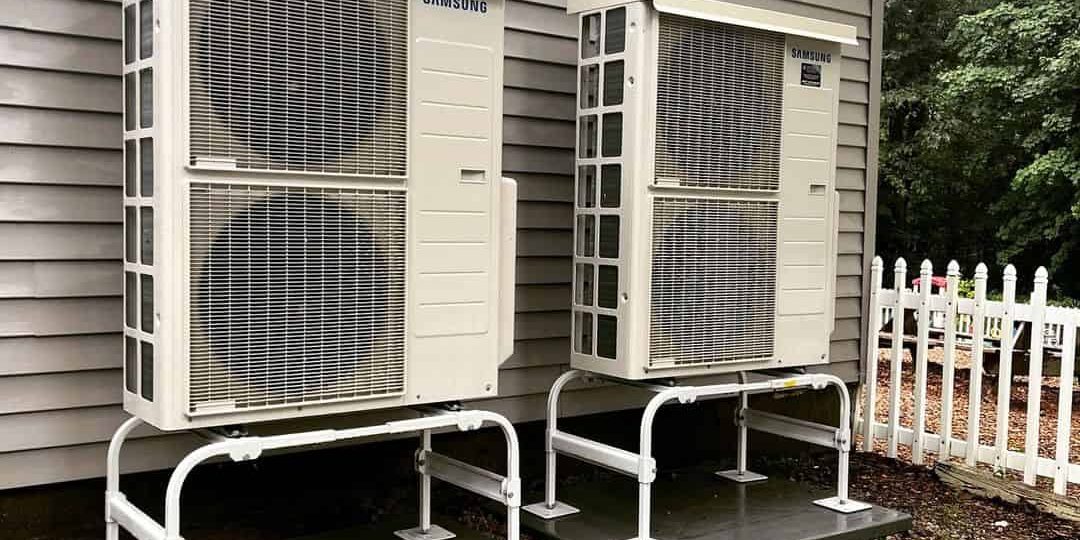
Imagine cutting your energy bills in half while keeping your home comfortable all year round. That’s the promise of a well-installed heat pump system. Unlike traditional heating methods, heat pumps offer both heating in winter and cooling in summer by transferring heat between indoor and outdoor air.
But financial savings are just part of the story. Heat pumps also produce fewer greenhouse gases, making them an excellent choice for those committed to sustainability. Our detailed guide will help you understand why it’s a sound investment for both your wallet and the planet.
Heat pump installation is a game changer for energy savings because these systems transfer heat rather than generate it, resulting in lower energy consumption compared to traditional heating methods like gas furnaces. By utilizing modern heat pumps that maintain efficiency even in low temperatures, homeowners can significantly reduce their utility bills while also benefiting from environmentally friendly technology.
Growing Popularity of Heat Pump Systems
An increasing number of homeowners are experiencing the benefits of heating and cooling through heat pumps, which blend efficiency with versatility. Unlike traditional HVAC systems that often rely on separate units for heating and cooling, heat pumps provide a two-in-one solution by moving air rather than generating it. This means an area can stay comfortable year-round without requiring extensive equipment or energy consumption.
What’s particularly compelling is how heat pumps harness ambient energy from the environment. During winter, they extract outside heat (even in cold air) and transfer it indoors. Conversely, in summer, they work like an air conditioner, removing indoor heat and pushing it outside. This process is not only energy-saving but also environmentally friendly, making households more sustainable compared to reliance on gas or electric furnaces.
When operating efficiently, heat pumps reduce electricity consumption substantially, potentially saving households hundreds on their annual utility bills. It’s a win-win; you save money while also reducing your carbon footprint.
The desire for greener living spaces aligns with broader societal trends focused on sustainability. Many consumers are now eager to explore cleaner technologies that allow them to enjoy their homes without guilt. The ability of heat pumps to significantly decrease greenhouse gas emissions is becoming a crucial selling point; it’s not merely about cutting costs but also making responsible choices that benefit our planet and future generations.
By choosing heat pumps, homeowners are engaging in a lifestyle change rooted in environmental awareness—one that affects both their wallets and the world around them. As we move forward, it’s essential to understand the mechanics behind these innovative systems.
How Heat Pumps Work
Understanding the mechanics behind heat pumps is essential for anyone considering this energy-efficient technology. At its core, a heat pump operates by transferring heat from one location to another through a refrigerant cycle. This cycle is not simply about heating or cooling air; it’s akin to moving thermal energy in a fluidic dance.
In winter, the heat pump extracts ambient heat from the colder outdoor air and moves it indoors, effectively warming your living space. Conversely, during summer, it absorbs indoor heat and expels it outside to keep your home cool.
This two-way heating and cooling process is facilitated by four primary components that work together seamlessly: the compressor, condenser, expansion valve, and evaporator. Each piece plays a pivotal role in ensuring that warm air travels where it’s needed while efficiently utilizing energy.
Basic Components
The first critical component is the compressor, which acts like a heart-pumping refrigerant throughout the system. This device compresses the refrigerant gas, raising its pressure and temperature before sending it off into the rest of the system. It’s this high-pressure vapor that makes the magic happen.
Next up is the condenser. After being compressed, the hot refrigerant moves into this part of the system, where it releases its stored heat into the outdoor air. This phase change from gas back to liquid means that waste heat is expelled outside, cooling down the refrigerant for its next journey.
As we transition into cooler temperatures, we encounter the expansion valve. This component plays a critical role in reducing both the pressure and temperature of the refrigerant as it exits into the evaporator. The pressure drop allows it to absorb even more heat next time around.
Finally, we have the evaporator, where things start to get even more interesting. The refrigerant enters a low-pressure state and absorbs heat from either inside or outside your home—depending on whether you’re heating or cooling. As it gathers warmth, it transforms back into a gas form once again and prepares to return to the compressor.
Understanding these components gives deeper insight into how these systems can effectively manage your home’s temperature while cutting energy costs over time. By maintaining comfort without constant monitoring or invasive operation styles, they remain an attractive option for homeowners looking to enhance their energy efficiency.
Benefits of Installation
One of the most compelling reasons to install a heat pump is its remarkable energy efficiency. Unlike traditional heating and cooling systems that generate heat through combustion or electrical resistance, heat pumps transfer heat, which can be up to three times more efficient. For example, for every single unit of electricity consumed, a heat pump can deliver three to four units of heating or cooling. This means that during use, your energy bills drop significantly, translating into immediate financial relief and long-term savings on utility costs.
As time passes, the cost-effectiveness of installing a heat pump becomes even clearer. The initial investment might seem daunting, but many homeowners experience reductions amounting to hundreds—if not thousands—of dollars each year in reduced energy consumption. When you consider that most homes spend their energy bill just on heating, switching to a heat pump can vastly lower that bill.
Another crucial benefit is dual functionality. Installing a heat pump provides both heating in winter and cooling in summer. This versatile approach eliminates the need for separate HVAC systems and reduces maintenance complexities. Instead of juggling multiple systems with individual service requirements and costs, you have one consistent solution all year round. Most modern models efficiently maintain a comfortable temperature range, achieving optimal thermal comfort irrespective of the weather type.
Moreover, this efficiency does wonders for the environment. Fewer resources consumed translate directly to lower carbon emissions. With climate change at the forefront of our collective concerns, transitioning to high-efficiency models like heat pumps represents an active step toward reducing your home’s carbon footprint.
Furthermore, let’s not overlook the potential impact on property value because homes equipped with energy-efficient features often attract more buyers and command higher prices in the market. It’s common for real estate agents to highlight advanced heating and cooling systems as selling points; many buyers today are consciously seeking homes with sustainable technologies like heat pumps.
Choosing the Right System
Selecting the right heat pump involves several important factors tailored to your unique needs and environment. The journey begins with a careful assessment of your specific heating and cooling requirements. Do you want to keep a cozy guest room warm or maintain comfortable temperatures throughout your entire home? Each scenario demands different considerations.
Assess Your Needs
First, it’s crucial to determine the size of the area you want to heat or cool, which significantly impacts the amount of energy required. You’ll need to calculate the necessary BTUs (British Thermal Units) based on your space. A simple formula typically takes into account the square footage and insulation quality of your home. For instance, a well-insulated 1,000-square-foot home may require approximately 20,000 BTUs for comfortable heating in the winter months, while cooling in the summer might require fewer BTUs due to temperature variations.
Taking the time to understand these requirements not only directs you toward the appropriate system but also saves you from potential inefficiencies that could drive up energy bills.
Consider the Climate
After you’ve assessed your needs, consider your local climate. Some heat pumps perform admirably in moderate conditions but fall short in extreme temperatures. If you’re situated in a colder region—like New England during harsh winters—opt for heat pumps specifically engineered for efficiency at lower temperatures. Features like variable-speed compressors or dual-fuel systems can enhance performance, allowing these systems to switch seamlessly from electric heat to gas as needed.
This adaptability can make all the difference; it’s akin to having a reliable companion—one that understands how to adjust according to conditions while keeping you comfortable year-round.
Energy Efficiency Ratings
Another pivotal aspect of selecting a heat pump involves examining its energy efficiency ratings. Look for units with high SEER (Seasonal Energy Efficiency Ratio) and HSPF (Heating Seasonal Performance Factor) ratings, as these indicate superior performance and lower operational costs over time.
Consider this: investing in a unit with high-efficiency ratings now can dramatically reduce long-term energy expenses, ultimately benefiting both your wallet and the environment.
Analyzing these aspects will lead you toward selecting a heat pump that meets your expectations and enhances energy efficiency significantly. With this knowledge in hand, you’ll be better prepared to take the next steps towards optimizing your energy savings strategy.
Achieving Long-Term Savings
A heat pump is more than just a device for temperature control; it represents a significant opportunity for long-term financial benefits. Beyond the initial installation costs, the real magic happens once you start reaping the rewards of energy efficiency and lower utility bills over the years.
Energy Savings
Homeowners typically see a reduction in their energy bills after installing a heat pump. This percentage reflects the system’s ability to transfer heat rather than generating it through fossil fuels. Such efficiency translates into tangible savings every month, which add up significantly over time. As energy prices are projected to continue rising due to various factors, those initial savings only promise to grow.
Imagine what that could mean for your yearly budget—more money for activities you enjoy rather than on heating or cooling your home.
Maintenance Costs
To maximize these benefits, it’s crucial not to overlook the importance of regular maintenance. Simple acts like replacing filters and cleaning coils ensure that your heat pump operates at peak efficiency. This proactive approach can save you from more severe and costly repairs down the line.
Just as regular oil changes extend the life of a car, routine upkeep of your heat pump prolongs its lifespan, often up to 15-20 years. Avoiding unexpected breakdowns means less disruption in your comfort, allowing you to enjoy uninterrupted warmth during frigid winters or cool relief during scorching summers.
Installing a heat pump isn’t just an immediate benefit but also a wise financial decision with lasting ramifications. Maintaining operational efficiency lays a strong foundation for long-term savings that contribute positively to both your finances and the environment.For personalized assistance with your heat pump installation, don’t hesitate to reach out and discover how you can begin saving today! Visit us at Edge Energy or call us at (207) 317-3009.
