
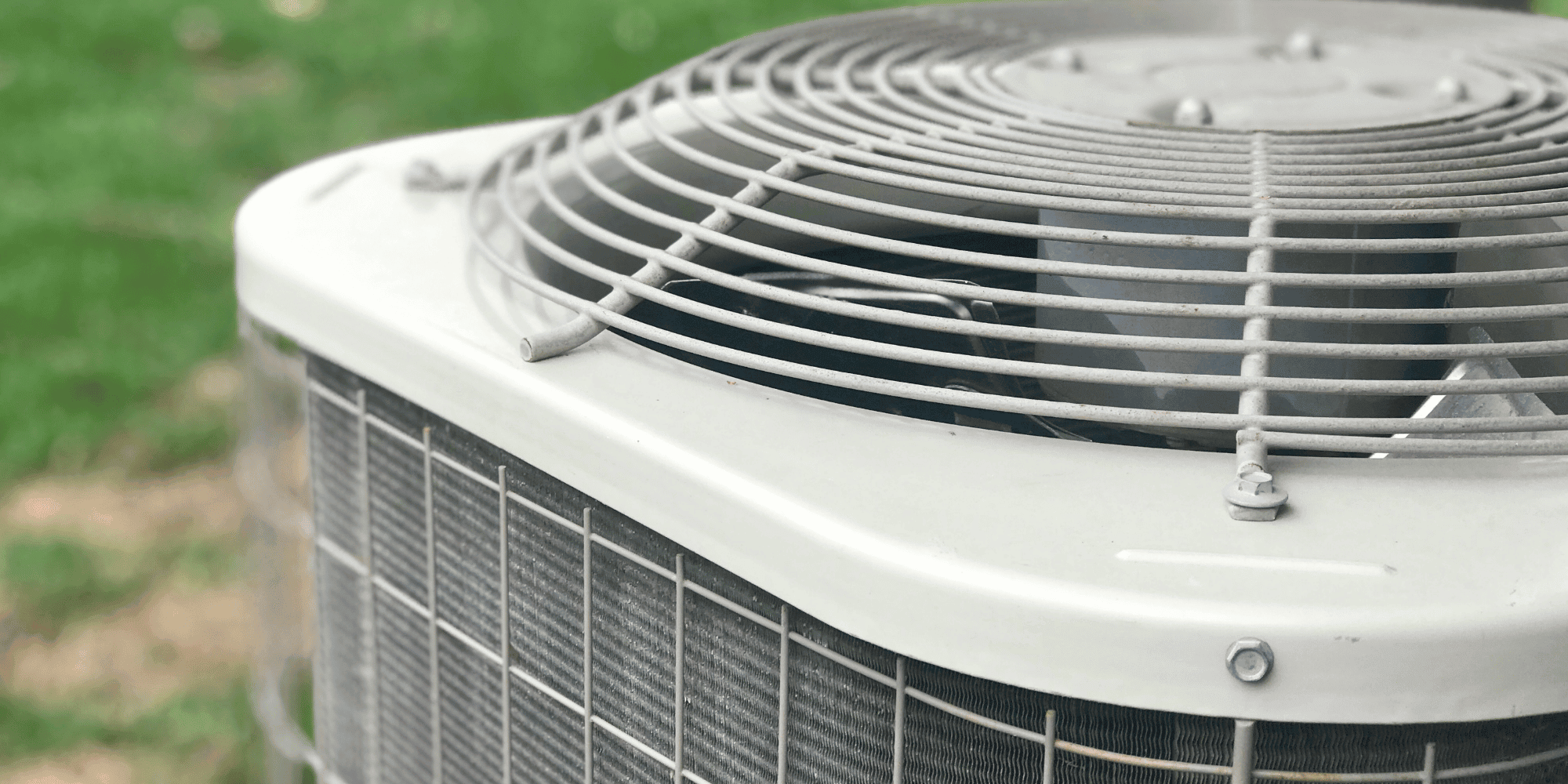
Now that Spring is here, we are seeing a shift in how our HVAC systems work to keep us comfortable. Often overlooked during this seasonal change is the outdoor unit. Neglecting simple maintenance, like clearing away winter’s leftovers, invites trouble. Debris buildup hinders performance and can lead to system inefficiency or even breakdowns.
Why Winter Debris Matters
As winter recedes, the remnants it leaves behind can significantly impact the performance of your HVAC system. Understanding the common types of debris and the issues they cause is crucial for maintaining your outdoor units and ensuring efficient operation throughout the year.
Common Winter Debris That Harms Your HVAC
Winter weather can introduce various kinds of debris that pose a threat to your HVAC system. Leaves, twigs, and dirt often accumulate around the outdoor unit. When snow melts, it can carry additional debris that was previously hidden beneath snowdrifts. Ice and snow residue can also affect the unit’s components by causing rust or freezing essential parts.
Organic debris, such as leaves and plant matter, can obstruct airflow, leading to inefficient operation. Meanwhile, inorganic debris like plastic or metal fragments can cause physical damage to the unit. Over time, these materials can become lodged in critical areas, leading to potential breakdowns.
Regularly inspecting and cleaning your outdoor unit can prevent these issues, ensuring that your HVAC system runs smoothly and efficiently. Addressing debris build-up before it becomes a significant problem can save both time and money in the long run.
Why Cleaning Matters: Debris Leads to These Issues
Neglecting to clean your outdoor unit can result in several complications. Restricted airflow is one of the primary issues caused by debris buildup. When airflow is restricted, the HVAC system has to work harder, leading to increased energy consumption and higher utility bills.
Another issue is mechanical strain. Debris can cause moving parts to malfunction or wear out prematurely, reducing the lifespan of your HVAC system. Additionally, dirt and grime can lead to corrosion of vital components, increasing the likelihood of costly repairs.
Keeping your unit clean can help maintain system efficiency, reducing the risk of unexpected breakdowns. By proactively addressing these issues, you can ensure your HVAC system operates at peak performance, enhancing comfort and reducing energy costs.
Steps for Cleaning Outdoor Units
Maintaining your HVAC system requires regular cleaning of the outdoor unit, especially after winter. Here, we’ll guide you through the essential tools you’ll need and a detailed cleaning process to keep your system in top shape.
Essential Tools for the Job
To effectively clean your outdoor unit, you’ll need a few basic tools. Start with a garden hose for rinsing away loose debris. A soft brush or vacuum can help remove stubborn dirt and dust. You’ll also need a coil cleaner to dissolve grime from the coils.
A screwdriver may be necessary to remove protective panels, ensuring you can access all areas that need cleaning. Always have a pair of protective gloves on hand to safeguard against sharp edges or hazardous materials.
Finally, keep a bucket of soapy water and a cloth for wiping down surfaces. With these tools, you can tackle most cleaning tasks effectively, ensuring your unit remains in optimal condition.
Detailed Cleaning Process
- Turn off the power: Before starting, ensure the power to the HVAC unit is switched off for safety.
- Remove debris: Clear away leaves, twigs, and any other visible debris from around the unit.
- Access the interior: Use a screwdriver to remove the panel, gaining access to the interior components.
- Clean the coils: Spray coil cleaner onto the coils and let it sit for a few minutes before rinsing it off with the hose.
- Brush away dirt: Use a soft brush or vacuum to gently remove stubborn dirt from the fins and other delicate parts.
- Reassemble: Once everything is clean and dry, reattach the panels and turn the power back on.
By following these steps, you can ensure your outdoor unit is free from winter debris and ready for efficient operation.
Spring HVAC Maintenance Tips
With winter behind us, it’s essential to focus on spring HVAC maintenance to keep your system running efficiently. Scheduling regular inspections and adopting long-term efficiency strategies can extend the life of your HVAC unit.
Scheduling Regular Inspections
One of the most effective ways to maintain your HVAC system is by scheduling regular inspections. A professional technician can identify potential issues before they escalate, saving you time and expensive repairs.
- Aim for bi-annual inspections — once in spring and once in fall.
- Have filters checked and replaced if necessary to ensure proper airflow.
- Ask the technician to check refrigerant levels and inspect electrical components.
Regular inspections offer peace of mind and ensure your HVAC system operates optimally, avoiding unexpected breakdowns during peak usage times.
Long-term System Efficiency Tips
For homeowners and property managers, ensuring long-term HVAC efficiency requires a proactive approach. Simple strategies can lead to significant improvements in performance and cost savings.
- Upgrade to a programmable thermostat to better manage heating and cooling schedules.
- Seal and insulate ducts to prevent air leaks and improve energy efficiency.
- Encourage routine filter changes every one to three months to maintain airflow and system efficiency.
- Consider landscaping adjustments, such as trimming back shrubs, to ensure optimal airflow around the outdoor unit.
By implementing these long-term strategies, you can extend the life of your HVAC system and enjoy a more comfortable home environment year-round.
Don’t Delay, Clean Today for Better HVAC
In order to keep your HVAC system running smoothly by tackling winter debris now. By simply taking the time to clean your system, you’ll prevent inefficiency and costly repairs. Clear leaves, brush away dirt, and rinse the unit. Regular maintenance ensures peak performance as warmer weather arrives. For potential rebates that can help with system upkeep or upgrades, explore the Efficiency Maine program. A little effort now contributes to a comfortable and efficient season ahead.
