
Making the right decision about your home’s HVAC system can feel overwhelming, especially when faced with technical jargon and numerous options. Understanding the HVAC installation process from start to finish eases anxiety and helps you make informed choices that ensure comfort and efficiency for your family. Ensuring good air quality through the correct operation of both your air conditioner and furnace is crucial for maintaining a healthy and comfortable living environment.
Our comprehensive guide brings together insights from industry experts and real-life experiences to offer clear answers to your most pressing questions.
The HVAC Installation FAQs article provides a thorough overview of essential topics related to HVAC installation, including system requirements, maintenance tips, energy efficiency considerations, and common challenges homeowners may face. This resource is designed to answer your most pressing questions, ensuring you have a solid understanding before proceeding with an HVAC installation project. Maintaining air quality is also discussed, emphasizing the importance of regular check-ups on your air conditioner and furnace.
Common HVAC Installation Questions
One such question that frequently arises is, “What are the different types of HVAC systems I can install?” It’s essential to know your options when considering a new system. The common types include central air conditioning systems, heat pumps, and ductless mini-splits. Each has its own unique benefits:
- Central systems provide thorough cooling but require ductwork.
- Heat pumps offer both heating and cooling by transferring heat from outside, making them versatile.
- Ductless mini-splits are great for homes without ducts, allowing for flexible zoning control.
Understanding these options helps homeowners align their installation choices with their specific needs and circumstances. Ensuring both your air conditioner and furnace are compatible with your home’s layout and climate needs is vital for optimal air quality and comfort.
With these considerations in mind, the next question usually involves maintenance.
Many homeowners ask, “How often should I have my HVAC system serviced?” Regular maintenance is vital for ensuring that your HVAC system, including both the air conditioner and the furnace, operates efficiently. It’s recommended to schedule professional servicing at least once a year—ideally twice: once before the cooling season begins and again before winter hits. This proactive approach helps identify issues early and keeps your system running smoothly. Many HVAC companies offer maintenance contracts, which can provide peace of mind by ensuring routine checks are not overlooked.
Lastly, homeowners often seek clarification on installation permits and regulations.
A common query is, “Do I need a permit for HVAC installation?” The answer usually depends on local regulations. In most areas, you will need a permit to replace or install an HVAC system—this ensures that the work meets local safety and building codes. Failing to obtain a permit may result in fines or complications when selling your home later. It’s always wise to consult with your HVAC professional about the legal requirements in your area before proceeding with an installation.
By keeping these aspects in mind, you can ensure that your air conditioner and furnace are properly installed and maintained, resulting in improved air quality and a comfortable home environment. Because, let’s be honest—nobody wants to be that neighbor who inadvertently turns their house into a cautionary tale about DIY disasters, especially when it comes to installing complex systems like heat pumps or air conditioners!
By addressing these common questions upfront, homeowners can make more informed decisions regarding their HVAC installations, including whether to integrate heat pumps or air conditioners into their systems, and subsequently enjoy increased comfort in their living spaces.
Moving forward, we will explore how each step of the installation process unfolds, particularly the choice between traditional HVAC units and newer heat pump technology, and what homeowners can expect along the way.
Installation Process Explained
Understanding how your HVAC system, whether it includes air conditioners or a heat pump, is installed transforms what may seem like a daunting task into a structured journey. The first step is an initial consultation and assessment. A professional technician will visit your home to evaluate your current setup, including insulation levels and the condition of your ductwork. This detail is vital; it allows them to design a customized system that perfectly fits your specific heating and cooling needs, whether that involves placing air conditioners strategically or deciding on the ideal location for a heat pump. An optimal setup not only improves comfort but also enhances energy efficiency.
After the assessment, the next critical phase is designing the system.
The system design is where customization takes center stage. Here, decisions are made regarding which HVAC units will best serve your home’s needs, such as placing air conditioners in optimal positions or selecting a heat pump for maximum efficiency, along with considerations for ductwork layout and zoning.
The right capacity for your HVAC units is crucial; oversized systems cool or heat spaces too quickly without properly dehumidifying the air, which can lead to mold issues. On the other hand, undersized units struggle to maintain desired temperatures, leading to increased energy bills. The balance achieved in this phase plays a pivotal role in long-term system performance.
Once you’ve finalized the design, it’s time for the actual installation.
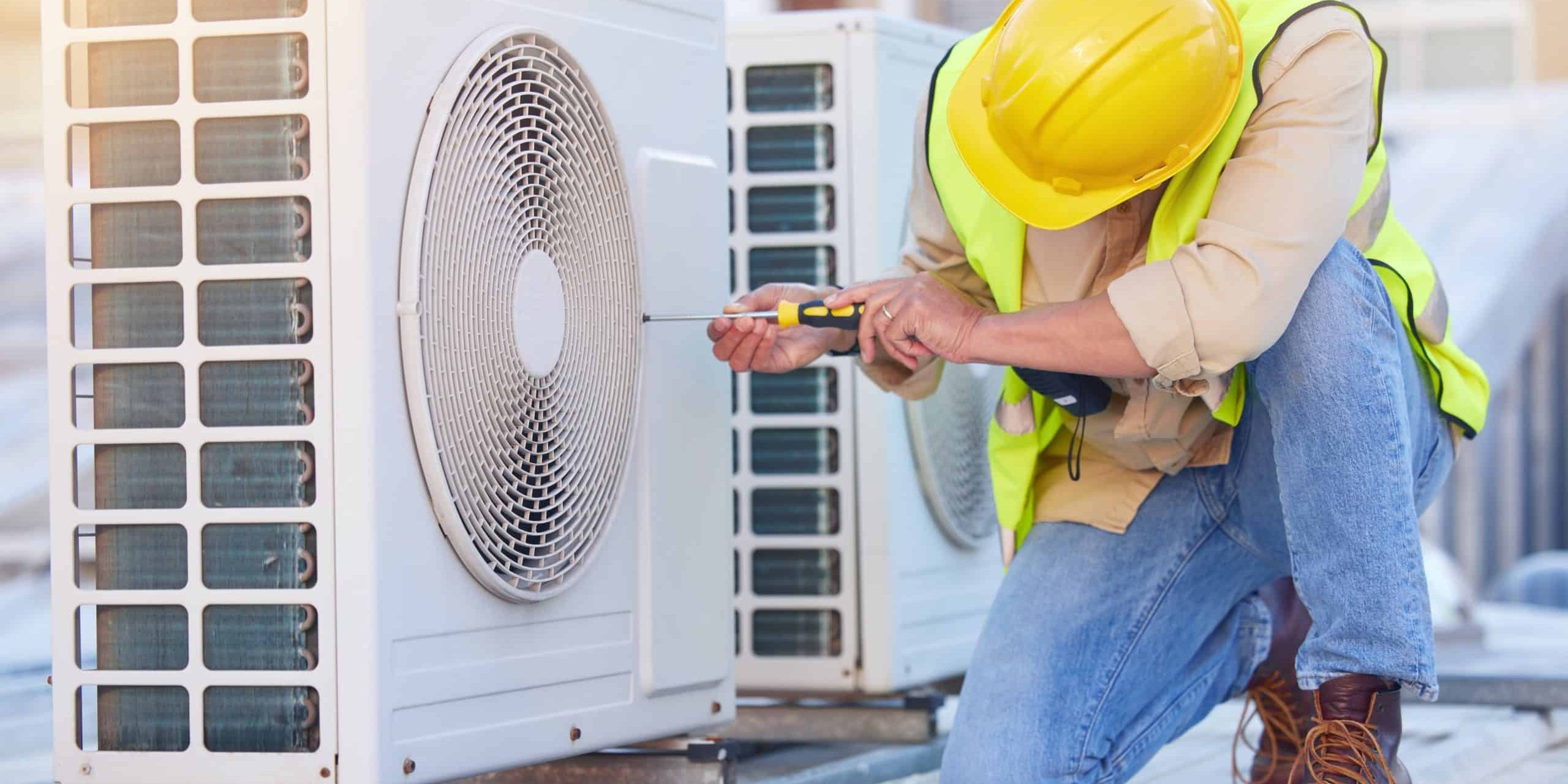
In the physical installation phase, technicians will carefully remove any existing systems, if necessary, and prepare your space for the new units, be they traditional air conditioners or a more efficient heat pump. It’s essential that they implement protective measures—like laying down drop cloths—throughout your home to prevent any damage during installation. At this time, they’ll also inspect electrical systems to ensure compatibility with the new HVAC system. This diligent preparation sets the foundation for a smooth installation process.
With installations completed, rigorous testing ensures everything functions seamlessly.
Finally comes testing and calibration, a crucial step that guarantees your system, whether it includes air conditioners or a heat pump, operates at peak efficiency. Technicians will check essential elements like thermostat communication, airflow consistency, and refrigerant levels. By meticulously calibrating these components, they can fine-tune the system to deliver optimum performance throughout its lifetime. It’s not just about making sure everything works; it’s about ensuring that it works efficiently and effectively suited for your household.
An understanding of each stage of your HVAC installation, including aspects specific to air conditioners and heat pumps, helps demystify the process while emphasizing why each step holds significant importance in achieving a well-functioning and reliable heating and cooling system.
This careful coordination raises important questions about whether you should tackle this project yourself or enlist a seasoned professional.
Factors Affecting Installation Costs
Understanding what drives the price of an HVAC installation is crucial for effective budgeting and planning. Think of it as preparing for a road trip; knowing the terrain in advance helps you plot out your course and avoid unexpected tolls. Each component of your installation can introduce its own expenses, so being aware of these factors will help you navigate through quotes from different contractors with confidence.
Cost Factors
Each of these elements plays a role in shaping your total expense. For instance, system size determines not just the type of equipment needed but also the complexity of the installation itself. A larger system may require additional support structures and longer ductwork runs, pushing your costs up and affecting the overall lifespan of the system due to increased demands on its components.
When considering ductwork modifications, remember that if your existing ducts are old or poorly insulated, replacing them could mean a significant increase in cost. While it can seem expensive initially, this expenditure often translates into improved efficiency and lower operating costs down the line.
It’s also important to account for home size. A small apartment might only need a straightforward system upgrade, whereas a sprawling ranch-style house might necessitate multiple units or zoning systems, creating a unique pricing landscape depending on individual home characteristics.
Lastly, consider labor costs, which vary widely based on where you live. Regions with higher living costs typically see higher labor rates. The experience of the contractor matters too; hiring a seasoned expert might feel pricier upfront but could save you money through efficient work and fewer errors.
Being mindful of these factors prepares you for unexpected expenses while ensuring that you receive quality service tailored to your home’s needs.
With a sound understanding of the factors influencing installation costs, it’s essential to explore how to select a trustworthy professional who can ensure the job is done right, aiding in the troubleshooting of potential issues and increasing the lifespan of your HVAC system.
By investing in quality installations, you ensure the comfort of your home for years to come. If you have any questions or need further assistance, don’t hesitate to reach out at Edge Energy or call (207) 317-3009.
