
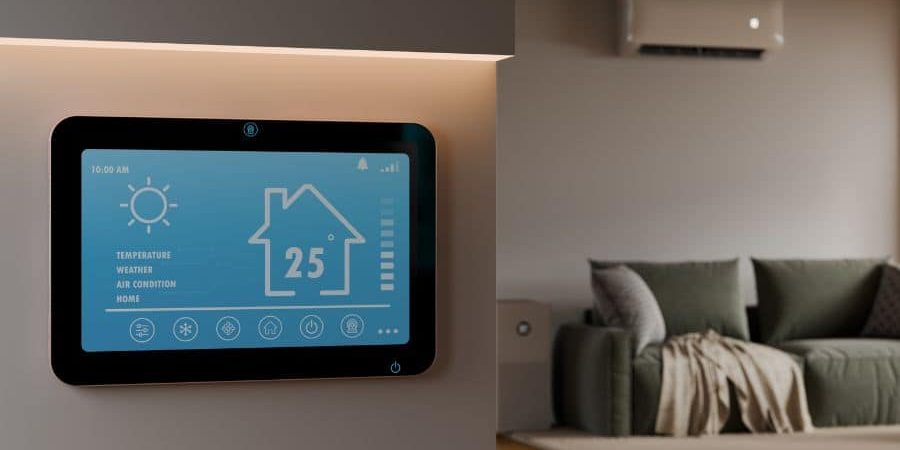
Your thermostat says 70°F, but everyone’s bundled up in sweaters. That mismatch isn’t just annoying—it often points to sensor drift caused by dust buildup during winter’s long run. This dust can fool your thermostat into short-cycling, throwing off your home heating. Let’s walk through a simple DIY thermometer test to check your thermostat calibration and get your comfort back on track.
Understanding Thermostat Calibration
Let’s dive into the world of thermostat calibration and why it’s essential. Knowing how your thermostat works can save you from those chilly disagreements at home.
What Is Thermostat Calibration?
Thermostat calibration refers to the process of ensuring your device accurately measures and regulates your home’s temperature. A well-calibrated thermostat means the temperature it shows is the temperature you feel. This is crucial for comfort and energy efficiency.
Imagine setting the temperature to 70°F, but it feels like 65°F. Calibration ensures your settings match reality. It involves a simple comparison between the thermostat’s reading and an accurate thermometer. Think of it as a health check for your home’s climate control system.
Common Causes of Sensor Drift
Sensor drift often results from something as simple as dust buildup. During winter, your heating system works hard, and dust can settle on the sensors. This layer of dust can throw off readings, leading to inaccuracies.
Temperature fluctuations and humidity can also affect sensor accuracy. Over time, these factors can cause your thermostat to read temperatures incorrectly. Addressing sensor drift is crucial for maintaining a comfortable home environment.
Signs Your Thermostat Needs Calibration
How do you know when it’s time to check your thermostat? If your home feels colder or warmer than the thermostat setting, it might be time for a calibration.
Short-cycling is another sign. This is when your heating system turns on and off frequently, leading to inefficient heating. Listen to your system. If it’s constantly running or stopping, it might be struggling to maintain the correct temperature. These signs indicate it’s time for a DIY calibration check.
Conducting a DIY Calibration Check
Ready to ensure your thermostat’s accuracy? A DIY calibration check is a straightforward process that can restore comfort in your home.
Preparing for the Calibration Test
Preparation is key. Start by gathering a reliable thermometer and a notepad. Place the thermometer close to your thermostat, away from direct sunlight or drafts.
Give it some time—about 15 minutes—to adjust to the room’s temperature. During this period, avoid adjusting the thermostat or opening windows, as this can affect results. A calm, stable environment provides the most accurate reading.
How to Perform a DIY Thermometer Test
Now, let’s perform the test. Compare the reading on the thermometer with the thermostat. Note any differences.
A small variance, like 1–2 degrees, is usually acceptable. Larger differences suggest calibration is needed. If you find discrepancies, consult your thermostat’s manual for adjustment instructions. Some models allow for easy recalibration, while others might require professional assistance.
Interpreting Your Test Results
What do your results mean? If the thermometer and thermostat readings match, your device is accurate. If not, consider recalibrating or calling a professional.
Consistent discrepancies can lead to higher energy bills and discomfort. Remember, accurate readings are vital for efficient home heating. This simple test can save you money and ensure your home stays cozy.
Maintaining Thermostat Accuracy
Keeping your thermostat accurate involves regular maintenance and attention to detail. Let’s explore how you can achieve this.
Regular Maintenance Tips
Regular maintenance can extend your thermostat’s life and maintain its accuracy. Clean around the thermostat to prevent dust buildup. Schedule seasonal checks to ensure optimal performance.
Replace batteries annually, as low power can affect readings. These simple steps can keep your system running smoothly and efficiently.
When to Call a Professional
Sometimes, professional help is necessary. If recalibrating doesn’t solve the issue, or you notice consistent errors, it might be time to call an expert.
They can diagnose complex problems and provide solutions that DIY methods might miss. Don’t hesitate to seek help if needed. Professionals can ensure your system is functioning correctly and efficiently.
Benefits of Accurate Home Heating
Accurate home heating offers numerous benefits. You’ll enjoy consistent comfort and potentially lower energy bills. An accurate thermostat reduces wear on your heating system, extending its lifespan.
This saves money in the long run. Embrace the peace of mind that comes with knowing your home’s temperature is precisely what you set it to be.
Thermostat calibration might seem small, but it makes a big difference. With these insights, you’re equipped to keep your home cozy and efficient.
If you find that your system is struggling with efficiency despite a calibrated thermostat, you may be eligible for significant savings through Maine’s energy rebate programs. At Edge Energy, we are proud to help our customers navigate the Efficiency Maine program, which offers rebates and financing for high-efficiency heating and cooling upgrades.
Whether you’re looking to install a new heat pump or upgrade your current system, we can help you maximize your comfort and your savings.
