
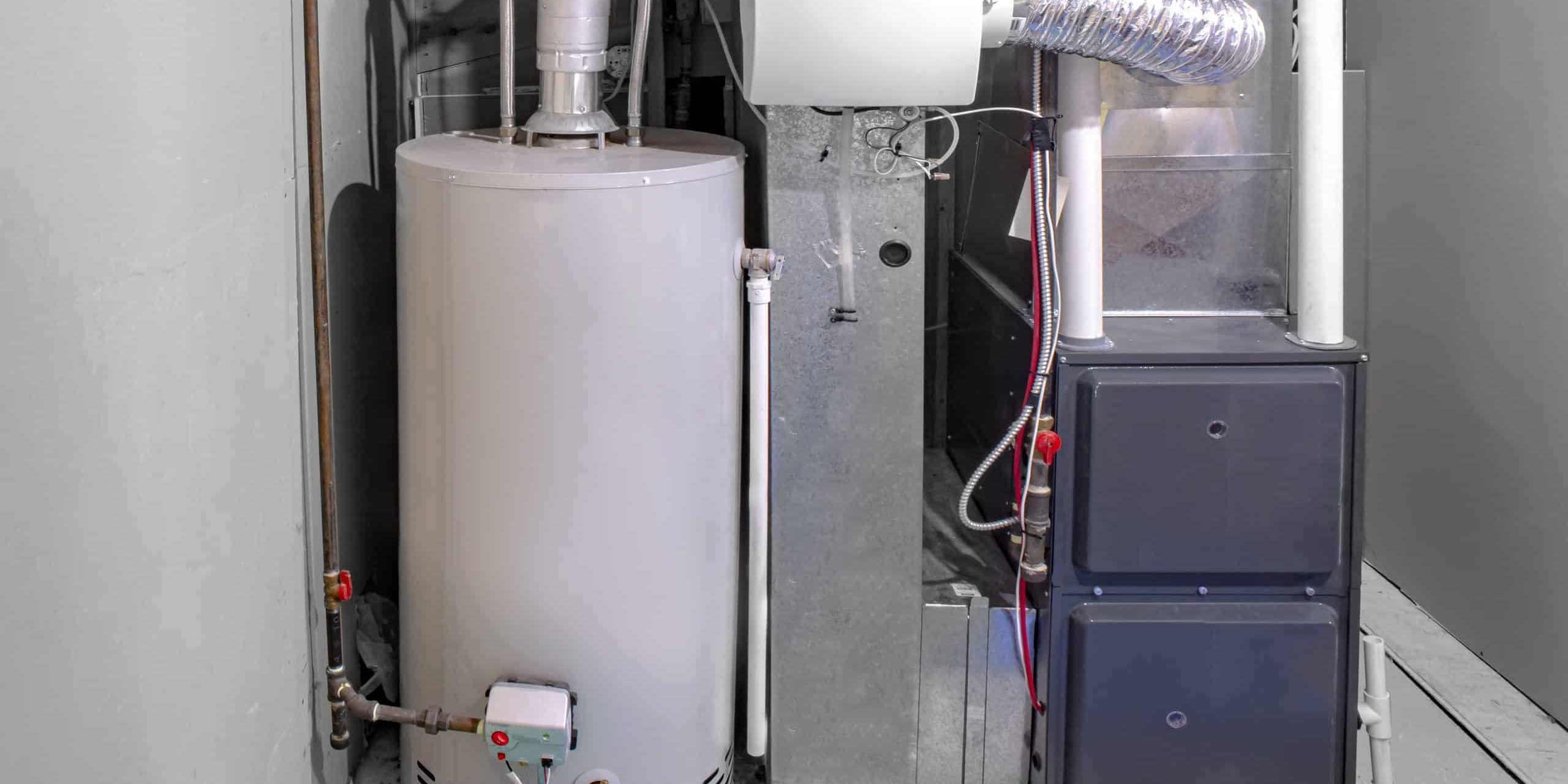
Maintaining a comfortable home environment year-round often starts with an efficient furnace. If neglected, issues like higher energy bills and sudden breakdowns aren’t just annoyances—they’re avoidable with the proper care. Contrary to what many believe, you don’t need to be a technical expert to perform some basic maintenance tasks yourself. Our straightforward tips will empower you to handle routine upkeep efficiently, ensuring your furnace operates smoothly regardless of the season.
To maintain your furnace for optimal year-round efficiency, it’s crucial to schedule annual inspections with a qualified HVAC professional. Additionally, regularly cleaning or replacing filters, lubricating moving parts, and ensuring proper ventilation around the furnace are essential steps to keep your furnace operating efficiently. Proper maintenance not only ensures energy efficiency but also prolongs the lifespan of your furnace.
Regularly Cleaning and Inspecting Your Furnace
Regular cleaning and inspection of your furnace is crucial for maintaining its efficiency and prolonging its lifespan. Let’s go through the key steps to ensure that your furnace runs smoothly and safely.
Step I: Dust and Debris Removal
Dust and debris can accumulate on and around your furnace, affecting its performance. Start by carefully dusting off the exterior using a damp cloth. Then, use a vacuum with a hose attachment to remove any debris from the interior components, such as the burners and blower. This process helps prevent blockages that could hinder airflow or lead to overheating.
Step II: Filter Replacement
The air filter in your furnace plays a crucial role in maintaining indoor air quality and preserving the efficiency of the system. It’s important to replace the air filter every 1-3 months, depending on usage, to ensure proper airflow throughout the system. A clogged or dirty filter can obstruct airflow, putting unnecessary strain on the motor and reducing efficiency.
Step III: Visual Inspection
Performing a visual inspection of your furnace is an essential part of regular maintenance. Look for signs of wear and tear, such as rust, corrosion, or loose connections, which could indicate deeper issues requiring professional attention. Additionally, check for any unusual sounds or odors coming from the furnace during operation. Identifying these issues early on can prevent more extensive damage and costly repairs down the line.
For optimal performance, maintaining your furnace is essential, but it’s best to leave some tasks to professionals with specialized expertise. Let’s now explore the importance of scheduling professional maintenance for long-term furnace health.
Professional Maintenance Scheduling
Just like your car needs a mechanic now and then, your furnace requires a professional inspection at least once a year. While you can do a lot to keep it clean and functioning well, there are certain aspects that only an experienced technician with specialized diagnostic tools can handle. A yearly visit from a certified HVAC technician can yield substantial benefits for the longevity of your furnace and long-term cost savings.
During these inspections, technicians not only address minor problems before they escalate but also ensure that your system operates efficiently and, most importantly, safely. This provides peace of mind, knowing that your heating system is in prime condition to keep you and your family comfortable during the coldest months. Consistent annual check-ups are essentially an investment in your comfort and safety, while also protecting your wallet from unexpected expenses.
Specialized Diagnostic Tools
Certified technicians come equipped with specialized diagnostic tools that enable them to measure your furnace’s performance accurately. These tools can detect invisible problems like carbon monoxide leaks, which might not be obvious without them. By identifying and addressing these issues promptly, professionals ensure that the air quality in your home remains safe. These diagnostic tools are like superheroes with X-ray vision. They can see what’s going on inside your furnace that might be causing it to operate inefficiently or unsafely.
By investing in professional maintenance and leveraging advanced diagnostic technology, you’re actively promoting the longevity and efficiency of your heating system while safeguarding indoor air quality—ensuring that your home remains cozy and secure throughout the year.
System Part Checks for Efficiency
Overlooking the technical aspects of your furnace is easy, but taking the time to check and maintain its components ensures efficient operation, saving both energy and money in the long run. Let’s explore some crucial system part checks and maintenance tips that will contribute to the optimal performance of your furnace.
- Thermostat Calibration: Your heating system’s thermostat controls when and how much heat it produces. Incorrect calibration can cause your furnace to work harder than necessary, leading to increased energy consumption and higher utility bills. To avoid this, perform a simple calibration check on your thermostat to ensure it accurately reflects the temperature setting in your home. If you notice a discrepancy, follow the manufacturer’s instructions for recalibration or consider consulting an HVAC professional.
- Vent Cleaning and Checking: Proper airflow is crucial for efficient heating in your home. Regularly inspecting and cleaning air vents and ducts is essential to ensure unhindered air circulation throughout your living space. Blocked or dirty vents can impede the flow of warm air, prompting your furnace to work longer and harder to achieve the desired indoor temperature. It’s also important to ensure that furniture or any other objects are not obstructing the vents, allowing heat to circulate freely.
- Inspecting Blower Motor: The blower motor plays a critical role in distributing warm air from your furnace throughout your home. Regular inspection and cleaning of its components are essential to maintaining its efficiency and maximizing heat distribution. Inspect the blower motor routinely for any signs of wear or damage, such as unusual noises or diminished airflow. Clean the blower wheel and motor housing regularly to remove accumulated dirt and debris, ensuring that it operates smoothly and effectively.
Year-Round Maintenance Tips
Maintaining your furnace in peak condition year-round isn’t just about addressing problems as they arise; it’s also about taking a proactive approach to prevent potential issues while maximizing energy efficiency. Here are some effective strategies to maintain your furnace throughout the year.
Seasonal Cleaning
Regular cleaning is pivotal in maintaining your furnace’s performance. At the start and end of the heating season, it’s essential to thoroughly clean and inspect your furnace. This proactive approach will prepare it for heavy use or long-term storage, ensuring that it remains in prime condition. An important part of this routine is checking the pilot light and thermostat for proper operation, as these components play a crucial role in keeping your furnace running safely and efficiently.
Use Programmable Thermostats
Investing in a programmable thermostat is a strategic move to manage your furnace more efficiently. These smart devices allow you to schedule temperature adjustments throughout the day, so you can lower the temperature when you’re not at home or while you sleep. By doing so, you save on energy costs, as your furnace won’t need to work as hard when it’s not required to maintain higher temperatures. Whether it’s lowering the temperature at night or during the day when you’re at work, this level of control allows for significant energy savings without sacrificing comfort.
Energy-Saving Settings
During milder weather conditions, adjusting your thermostat’s settings to energy-saving modes can go a long way in reducing wear and tear on your system while maintaining its peak efficiency year-round. This practice not only minimizes unnecessary strain on your furnace but also helps save energy and reduce utility costs. By tweaking your thermostat settings during milder weather, you’re allowing your furnace to operate with reduced power consumption without compromising on comfort.
Ensure Furnace Safety
You must keep several key considerations in mind when ensuring the safety of your furnace.
Carbon Monoxide Detectors
Carbon monoxide—a deadly, odorless gas—poses a significant threat during furnace operation. It’s essential to install carbon monoxide detectors near your furnace and in sleeping areas to monitor for the presence of this dangerous gas. These detectors act as silent guardians, constantly monitoring the air for any signs of carbon monoxide emissions, providing an important safety net for you and your family.
Combustion Air Supply
Proper ventilation plays a pivotal role in maintaining safe and efficient furnace operation. Your furnace requires a steady supply of combustion air for safe performance. Blocked vents or obstructions in the airflow can lead to the dangerous buildup of flammable gases, posing a serious safety risk. Regularly inspect and clear any obstructions in the venting system to ensure smooth airflow and efficient operation of your furnace. Adequate combustion air supply not only supports efficient fuel burning but also mitigates potential safety hazards associated with insufficient airflow.
Fire Hazards
In addition to gas-related safety measures, it’s equally important to address fire hazards around your furnace. Store flammable materials like paper, gasoline, and paint thinners away from the furnace and its surrounding area. It’s wise to designate a separate storage space for such items outside of your heating area to minimize the risk of fire hazards.
As we have seen, ensuring furnace safety encompasses various elements, including protection against carbon monoxide, maintaining proper ventilation for combustion air supply, and minimizing fire hazards around the heating area. Each of these measures contributes significantly to maintaining a safe and efficient home heating system. For expert assistance in optimizing your furnace’s performance and energy efficiency, contact Edge Energy today!
