
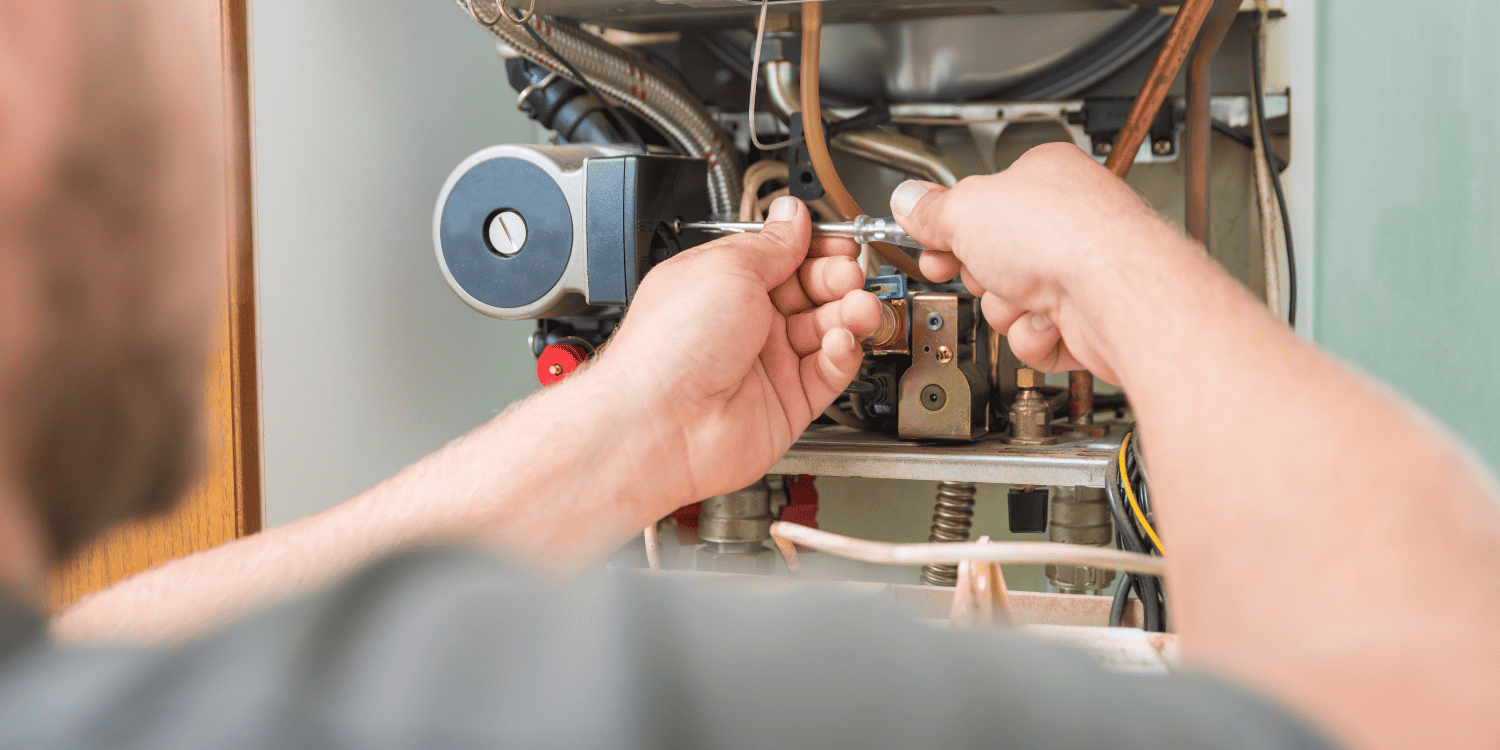
When it comes to keeping your home warm and comfortable, the furnace plays a crucial role. But not all furnace installations are created equal; there’s a world of difference between a standard setup and an advanced installation that truly optimizes performance. In this guide, we’ll explore the latest techniques that not only make your heating system more efficient but also enhance your comfort while saving you money on energy bills. Drawing from industry insights and real-world applications, we’ll break down essential strategies such as precision sizing and load calculations, helping you understand how these methods can transform your heating experience. Ready to dive into the details? Let’s get started!
In “Exploring Advanced Furnace Installation Techniques,” you will learn about innovative installation methods that enhance furnace performance, including precision sizing and load calculations to ensure optimal system efficiency. The article also dives into ductwork optimization, zoning systems, and indoor air quality solutions, providing valuable insights for achieving superior comfort and energy savings in your home.
Overview of Advanced Furnace Techniques
Among the most vital evolutions in heating technology is precision sizing, which refers to determining the exact dimensions and specifications of a furnace to match the specific requirements of a home. This method prevents the inefficiencies associated with both oversized and undersized systems. An improperly sized unit may struggle to regulate temperature effectively, leading to excessive energy consumption and elevated utility bills, not to mention unnecessary wear and tear on the system itself.
Alongside precision sizing is the essential practice of load calculation. This entails a detailed analysis of heating demands based on factors such as square footage, insulation quality, window placement, and climate considerations. By accurately calculating these loads, professionals can ensure optimal furnace performance tailored specifically for each unique environment. It ultimately contributes to greater cost-efficiency for homeowners, as it aligns their utility expenses more closely with real-world usage.
As we dive deeper into enhancing comfort levels, we encounter zoning systems. These systems allow homes to be segmented into specific temperature zones, reflecting real-life patterns of usage throughout the day or week. For instance, living areas may require warmer temperatures during evenings when families gather, while bedrooms can be maintained cooler at night. This customizes heating strategies according to how different spaces are used individually, promoting energy savings and minimizing unnecessary heat loss.
Smart thermostats add another layer of sophistication. By integrating intelligent control units into heating systems, homeowners gain precise temperature regulation options that adapt dynamically to their preferences. These advancements not only enhance user convenience but can also achieve reduction in heating costs. Imagine adjusting your home’s warmth directly from your smartphone or allowing the thermostat to learn your routine—this level of integration ensures that every degree is well-managed and energy-efficient.
| Technique | Description | Benefit |
| Precision Sizing | Correctly sizing the furnace according to home dimensions | Avoids inefficiency from oversized or undersized systems |
| Load Calculation | Detailed analysis of heating needs | Ensures optimal performance and cost-efficiency |
| Zoning Systems | Dividing a house into different heating zones | Enhances comfort and reduces energy wastage |
| Smart Thermostats | Integrating intelligent control units | Provides precise temperature regulation and energy savings |
Acknowledging these progressive techniques leads us naturally into exploring how proper ductwork optimization complements them effectively. By sealing, insulating, and correctly designing ducts, professionals ensure improved airflow throughout the entire system. This not only leads to reduced heat loss but maximizes overall system performance—resulting in a healthier indoor environment overall.
Furthermore, adopting indoor air quality solutions during advanced furnace installations plays a vital role in creating comfortable living spaces. Implementing features such as air purifiers, humidifiers, and ventilators fosters healthier environments while maintaining desired temperatures throughout harsh winters.
Each technique not only signifies a step toward efficiency but also addresses the evolving lifestyle needs of modern homeowners seeking comfort alongside sustainability.
As we consider these important aspects of installation practices, it becomes crucial to look at the key components that influence their success in contemporary systems.
Methods for Boosting Efficiency
Enhancing Airflow
One of the most effective ways to improve furnace efficiency is by ensuring optimal airflow throughout your home. If the air can’t circulate properly due to blockages or poorly designed ducts, even the best furnace will struggle to perform. Proper ductwork design and optimization play a critical role in achieving this goal.
Sealing and insulating ducts not only curtail heat loss but also direct warm air precisely where it is needed. Think of it as a well-designed road system that gets you to your destination with minimal detours; when every part of the duct system is in peak condition, heating becomes more efficient.
Regular inspection should not be neglected, as over time, even the best seals can wear out or become compromised.
Furthermore, let’s explore how modern filtration systems complement these efforts to enhance efficiency.
Advanced Filtration Systems
Modern filtration systems are essential allies in maintaining both indoor air quality and furnace performance. Upgrading to high-efficiency particulate air (HEPA) filters can result in cleaner air while allowing your furnace to operate without becoming clogged by debris.
Clogged filters can drastically reduce airflow and strain the system, resulting in inefficiencies and potentially leading to costly repairs down the line. Implementing high-MERV (Minimum Efficiency Reporting Value) rated filters allows you to capture a greater percentage of airborne particles, thus supporting a cleaner environment.
Regularly change your filters—it’s a simple task that can yield meaningful benefits. I recommend doing it at least every three months, or even monthly during periods of heavy use. This ensures that your furnace remains free from dust buildup while maximizing its efficiency.
Beyond filters and airflow, consider investing in intelligent controls such as smart thermostats. Not only do they provide tailored heating schedules based on occupancy patterns, but they also adapt to temperature changes in real-time, further enhancing overall energy savings.
Each of these techniques showcases thoughtful practices that lead to tangible rewards in improving energy efficiency while creating a comfortable living space for occupants. As we continue, we will examine additional installation strategies that can further elevate furnace performance.
Expert Installation Techniques
The effectiveness of any advanced furnace is highly dependent on the expertise used during its installation. Each step is crucial in ensuring that the unit performs optimally, contributing to energy efficiency and overall comfort for homeowners. Expert installation goes beyond simply placing the furnace in an appropriate spot; it involves thoughtful attention to detail throughout the process.
Step-by-Step Installation
Let’s break down the key stages of installation to help you understand why each step matters so much.
Site preparation is essential before any actual work begins. Start by thoroughly cleaning the area where the furnace will be installed—removing dust, debris, and obstacles create a conducive working environment. Furthermore, ensure that there’s adequate room around the appliance; this not only helps with airflow but also makes future maintenance tasks much easier.
Positioning and Leveling
Now that the space is properly prepared, we move on to positioning and leveling—two aspects that directly impact performance.
When positioning the furnace, it’s vital to consider both safety regulations and manufacturer specifications. An improperly placed furnace can lead to heat retention problems or inefficient airflow. Moreover, correct leveling cannot be emphasized enough; if the furnace isn’t level, components are subject to undue stress, which can drastically shorten their lifespan. In my experience, taking extra time to ensure precise leveling pays off many times over in the form of uninterrupted service.
Calibration and Testing
After positioning comes what I consider one of the most critical steps: calibration and testing.
This stage ensures that every component of the system works harmoniously together. Post-installation, it’s important to calibrate the system according to manufacturer specifications. This means adjusting settings related to airflow, temperature regulation, and more so that the system reaches peak efficiency right from installation day. Testing under various operational conditions will confirm that everything functions seamlessly while identifying potential issues before they become problematic.
It’s worth noting that a well-installed furnace won’t just improve heating; it will also enhance air quality through effective filtration systems and humidity control, providing a healthier indoor environment for occupants.
Through careful execution of these steps—site preparation, positioning, leveling, calibration, and rigorous testing—you set up your furnace for success. Mastering these expert techniques will optimize performance while ensuring long-lasting enjoyment of your home’s heating solution.
With these principles in mind, professionals must stay vigilant not only about installation techniques but also about fostering a mindset where safety and quality are always at the forefront of project considerations.
To ensure successful furnace installations that prioritize safety and efficiency, reach out to us at Edge Energy or call (508) 941-8527 today!
