November in Maine is the deadline for protecting your home from frozen pipes. When temperatures drop, unheated basements and garages become ticking time bombs for burst pipes. Your heating system plays a critical role in preventing frozen water lines, and keeping your thermostat above 55°F can save you thousands. Let’s break down how your boiler and heating circulation shield your home from costly damage this winter.
Understanding Frozen Pipes
As winter approaches, it’s crucial to understand the impact of freezing temperatures on your home. Let’s explore what happens when pipes freeze and why it’s a risk you can’t ignore.
What Causes Frozen Pipes
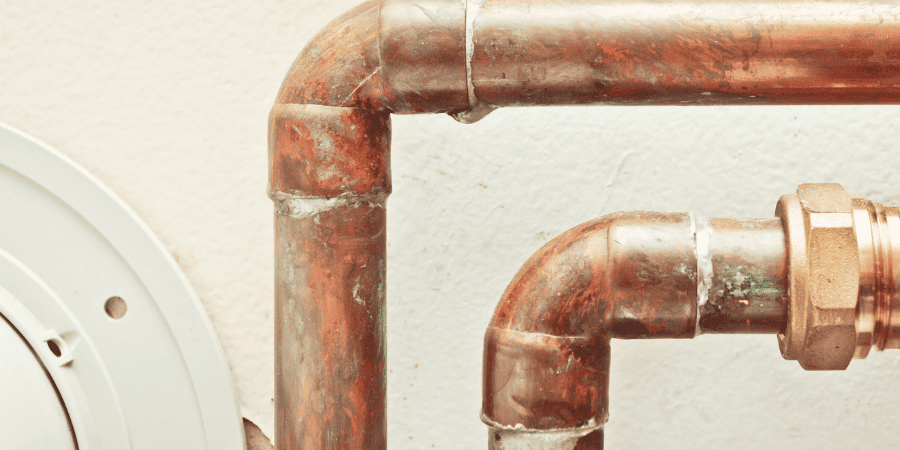
When temperatures drop, water in pipes can freeze, expanding and causing pressure. This pressure can eventually lead to a pipe burst, turning a small issue into a significant problem. Unheated spaces in your home such as basements and garages are especially prone to this. Make sure these areas are well insulated to keep the chill out.
Dangers of Burst Pipes
Burst pipes aren’t just a nuisance—they’re a disaster waiting to happen. A single burst can release hundreds of gallons of water in just a few hours, causing damage to floors, walls, and personal belongings. The repair costs can quickly add up, easily reaching into the thousands. Imagine coming home to find your basement flooded. Not a pretty picture, right?
Common Vulnerable Areas
Certain spots in your home are more susceptible to freezing. These include areas where pipes run along exterior walls, in basements, or through unheated garages. Identifying these spots can be your first line of defense. By addressing these vulnerabilities, you can prevent a small chill from becoming a costly headache.
Role of Your Heating System
Your heating system is your home’s unsung hero against freezing pipes. Proper use and maintenance can make all the difference when temperatures plummet.
Boiler Performance and Efficiency
A well-maintained boiler is crucial to keeping your home warm and safe. Regularly checking for leaks, strange noises, or inconsistent heating can save you from bigger issues down the line. A boiler that’s in top shape ensures even heat distribution, covering all those vulnerable areas in your home.
Key Heating System Tips
Here’s the key insight: your heating system needs a little TLC to perform at its best. Schedule regular maintenance checks, and don’t ignore minor issues. Clean filters and functional thermostats keep everything running smoothly. Plus, a little attention now can prevent major headaches later.
Temperature Regulation Essentials
Keeping your thermostat above 55°F is more than just a comfort measure; it’s a lifesaver for your pipes. Consistent temperature regulation helps prevent freezing, especially in those less frequented areas. Think of it as cheap insurance against a potential flood.
Preventing Frozen Water Lines
You’ve seen how vital your heating system is in this mix. Let’s dive into specific strategies to keep your pipes safe and your home warm.
Thermostat Settings for Safety
Setting your thermostat might seem simple, but it’s a powerful tool against freezing. Keep it steady, even if you’re away. A small investment in a smart thermostat can help monitor and adjust temps automatically, ensuring your home is always in the safe zone.
Winter Home Heating Strategies
Most people think cranking up the heat is the only solution, but smart heating strategies can be more effective. Use space heaters in problem areas, seal drafts, and ensure adequate insulation. Layering these techniques offers robust protection against the cold.
Burst Pipes Prevention Techniques
Here are some quick tips to keep those pipes intact:
- Insulate exposed pipes in vulnerable areas.
- Open cabinets to let warm air circulate around plumbing.
- Let faucets drip slightly to relieve pressure.
By taking these steps, you can safeguard your home and avoid the costly nightmare of burst pipes. Remember, the longer you wait, the higher the risk—so act now!
To explore rebates and incentives that can help make your home more energy-efficient and protected, visit our dedicated page on the state’s energy program, Efficiency Maine.
