
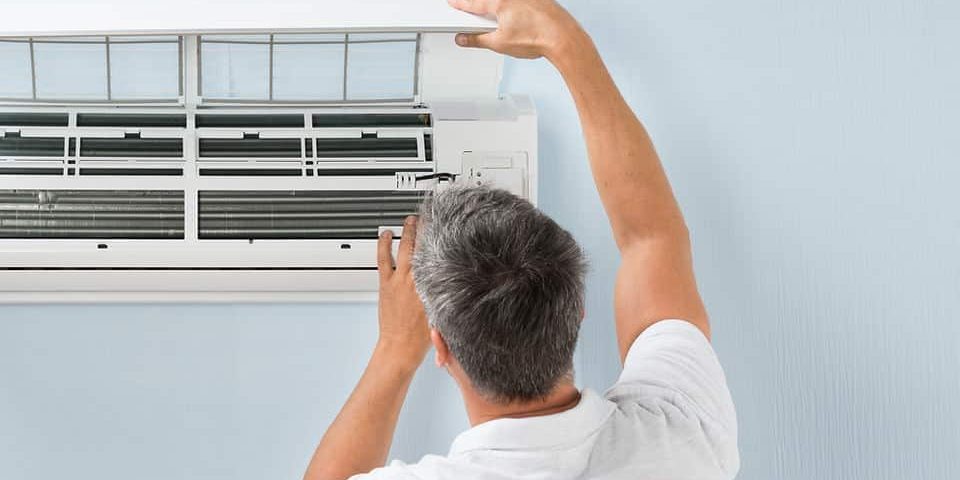
Thinking about your HVAC system might not be something you do every day. Yet, like tending to your garden’s needs for flowers to bloom beautifully, HVAC maintenance is essential for a comfy home. Regular check-ups ensure that everything runs smoothly, helping you avoid those annoying breakdowns during the peak of summer or winter.
Imagine paying less on utility bills while knowing your home will always stay cozy. By investing time in regular upkeep, you’re not only enhancing your system’s efficiency but also extending its lifespan. This subtle shift towards mindful maintenance has prevented many homeowners from hefty repair bills and uncomfortable living conditions. Let’s dive into how routine HVAC care makes this possible and why it’s a smart move for every homeowner.
Regular HVAC maintenance is crucial for ensuring optimal performance of your heating, ventilation, and air conditioning systems, which directly impacts your home’s comfort. Consistent maintenance leads to enhanced energy efficiency, improved air quality, and prolonged equipment lifespan, ultimately resulting in a more comfortable living environment and lower utility bills.
Enhancing System Efficiency
When you invest in regular HVAC maintenance, you’re ensuring that all components of your system are in harmony with one another. A well-tuned HVAC system uses less energy to maintain the desired temperature than one that’s allowed to fall into disrepair.
Components to Focus On
It’s essential to focus on key components such as the evaporator and condenser coils during maintenance. These parts are responsible for absorbing and releasing heat throughout your home, but dirt and debris can settle on them, significantly hampering their performance. When these coils become coated with grime, their ability to exchange heat effectively decreases, meaning the HVAC system has to work harder—ultimately increasing your energy bills.
Cleaning the coils during regular maintenance keeps the system functioning efficiently while extending its lifespan.
A practical tip would be to schedule maintenance checks before peak seasons—summer and winter—when demand for heating and cooling spikes. Technicians can address efficiency concerns proactively and ensure optimal performance right when you need it most.
Enhancing system efficiency through regular upkeep improves energy consumption while maximizing comfort and minimizing utility bills; these benefits are vital for every homeowner to consider.
With the foundational understanding of HVAC efficiency established, the next step is exploring how smart decisions around maintenance can lead to meaningful cost savings down the line.
Cost-Effective Repairs and Savings
When it comes to HVAC systems, an ounce of prevention is worth a pound of cure. That’s where the significance of early detection becomes crystal clear. Regular inspections play a vital role in spotting minor issues before they escalate into costly repairs or complete system failures. For homeowners, this proactive approach not only safeguards comfort but also protects their financial interests.
Early Detection
According to research from the National Association of Home Builders, HVAC systems that undergo consistent maintenance can last up to 40% longer than those that don’t. By identifying and addressing small problems before they become serious, homeowners can save substantially on costs associated with urgent repairs or even replacements. Imagine the relief of discovering an issue before it spirals out of control, saving both time and stress.
Think of your HVAC system like your car; regular check-ups ensure everything runs smoothly and help avoid unexpected breakdowns. Just as you wouldn’t let that mysterious sound under the hood go unchecked, your heating and cooling system deserves the same attention. A diligent schedule of light maintenance can catch the smallest issues—like dust buildup around motors or loose connections—that may not seem critical but can lead to significant problems if neglected.
Building Long-Term Savings
Besides immediate cost savings on repairs, preventive maintenance contributes to overall energy efficiency. Well-maintained systems operate more effectively, which translates into lower utility bills month after month. This efficiency isn’t just about smaller repair bills; it also means more money in your pocket over time as your system works less hard to provide the same comfort level.
As we consider various ways to maximize our investments in HVAC systems, exploring strategies for durability becomes paramount. Understanding how maintenance contributes not only to comfort but also to longevity is essential for every homeowner.
Extending HVAC Lifespan
HVAC systems are substantial investments for homeowners, and understanding how to prolong their lifespan is key. On average, these systems last between 15 to 20 years. However, without proper maintenance and attention, that lifespan can dwindle significantly, sometimes dropping to less than a decade. Regular care is vital—it ensures your system operates at its best.
Regular Check-Ups
Routine maintenance tasks are essential for keeping an HVAC system running smoothly. Simple actions like lubricating moving parts, tightening electrical connections, and inspecting the thermostat can make a significant difference.
Just think of the HVAC system as a car: it requires oil changes and tire rotations to prevent breakdowns. Similarly, regular check-ups act as preventive measures that avert larger issues down the line. When components work in harmony, the strain on the system diminishes, leading to long-term savings in repair costs and energy bills.
To ensure optimal performance, it’s advisable to schedule professional maintenance services annually. These professionals have the knowledge and expertise needed to catch potential problems before they escalate into costly repairs. In parallel, proactive homeowners can benefit from conducting simple monthly checks. Tasks such as monitoring air filters for cleanliness—clogged filters not only restrict airflow but put undue pressure on the system—can help maintain efficient operation.
Beyond saving money and enhancing comfort, a well-maintained HVAC system contributes positively to indoor air quality.
By focusing on routine upkeep, you’re extending the lifecycle of your HVAC unit and ensuring a healthier living environment for you and your family. A clean and efficient system operates effectively while filtering out pollutants. When your HVAC functions optimally, you’re fostering improved overall well-being in your home.
With an emphasis on maintenance established, let’s explore how we can further enhance our indoor environments with better air quality solutions.
Improving Indoor Air Quality
A clean HVAC system can significantly enhance indoor air quality by removing dust, pollen, and other allergens from the air we breathe. This is especially crucial considering that the Environmental Protection Agency (EPA) has reported indoor air can be up to five times more polluted than outdoor air if the HVAC system is not properly maintained.
With a few simple adjustments and regular maintenance checks, you can create a healthier indoor environment for you and your family.
Regular maintenance tasks such as changing filters and cleaning ducts are key components in reducing harmful particles circulating through your home. For example, replacing air filters every 1-3 months not only helps keep the system running efficiently but also traps a substantial amount of dust and airborne contaminants before they enter your living space. Families with allergies or breathing sensitivities might find that increasing filter changes to once a month significantly alleviates symptoms, making a noticeable difference in their comfort levels.
So, what does this mean for you? Understanding the health benefits of maintaining your HVAC system isn’t just about comfort; it’s fundamentally linked to well-being. Regular inspections can uncover hidden issues like mold growth in ducts or excessive dust accumulation, both of which can flourish when systems are neglected.
Moreover, cleaning ducts alone can dramatically reduce allergens and irritants present in your home. If left unaddressed, these pollutants can exacerbate conditions like asthma or allergies. Scheduling inspections at least once a year ensures that you enjoy clean air while boosting the overall efficiency of your HVAC system, cutting down on energy bills.
By integrating these practices into your routine, you’ll improve your home’s aesthetic appeal while safeguarding your family’s health as you take further steps to enhance overall comfort in every corner of your space.
Increasing Home Comfort
Comfort at home largely hinges on the efficiency of your HVAC system. When well-maintained, your heating and cooling systems work seamlessly to keep you in a pleasant environment, regardless of external weather conditions.
Imagine returning home after a long day, only to be greeted by a warm, inviting atmosphere that feels like a refuge from the chill outside. Conversely, an ignored HVAC system can lead to discomfort—think about the frustration felt on a sweltering summer day when your air conditioner just can’t keep up.
Consistent Temperature
A well-operating HVAC system distributes air evenly throughout your home, ensuring consistent temperatures in every room. Without this care, however, you might find yourself confronted with unwelcome hot spots or cold corners.
For instance, during the winter months, you wouldn’t want to huddle next to a drafty window while feeling overpowered by heat near radiators. Scheduling regular inspections helps to prevent these temperature discrepancies by ensuring components function correctly and airflow is conserved.
I recall helping a neighbor who was struggling with their ancient heating system. They had hot spots that were nearly unbearable in their living room, while their upstairs bedroom felt like an icebox. After a proper inspection and maintenance of their system, it was as if their home transformed overnight—no more battling extreme temperatures and no more uncomfortable moments spent shivering under blankets merely to get some sleep.
This balance obviously directly correlates with how effectively we tackle maintenance efforts, so prioritize those professional check-ins.
Moreover, scheduling regular tune-ups for your HVAC system supports its longevity, preventing small issues from sprawling into larger ones. Just like regular checkups at the doctor can help identify health concerns early, consistent HVAC maintenance can pinpoint potential problems before they escalate into costly repairs or replacements.
You not only maintain comfort but also save your wallet from unnecessary losses down the road.
By keeping your HVAC system running smoothly with routine professional care, you’re investing in a dependable home environment year-round—one where comfort reigns supreme regardless of the season or temperature fluctuations outdoors.
Scheduling Professional Maintenance
Ideally, you should plan for professional HVAC maintenance at least once a year, but aiming for twice—once in spring and then again in fall—ensures your system operates efficiently throughout seasonal changes. This regularity helps address potential issues before they escalate, saving you money while enhancing comfort in your home. Think of it as preventive care for your heating and cooling systems; just as you’d visit a doctor for checkups, your HVAC system deserves the same thoughtful approach.
Regular HVAC upkeep doesn’t have to be cumbersome. To make it easier for you, visit our Edge Energy website to discover trusted HVAC professionals who can provide tailored maintenance packages that meet your specific requirements.
Prioritizing professional maintenance safeguards your investment in home comfort and ensures you enjoy every season with peace of mind knowing your system is well cared for. Incorporating regular HVAC maintenance into your routine is essential not just for comfort but also for the longevity of the equipment. For additional assistance or to schedule an appointment, please visit our contact page here: Edge Energy or call us at (207) 317-3009.
