
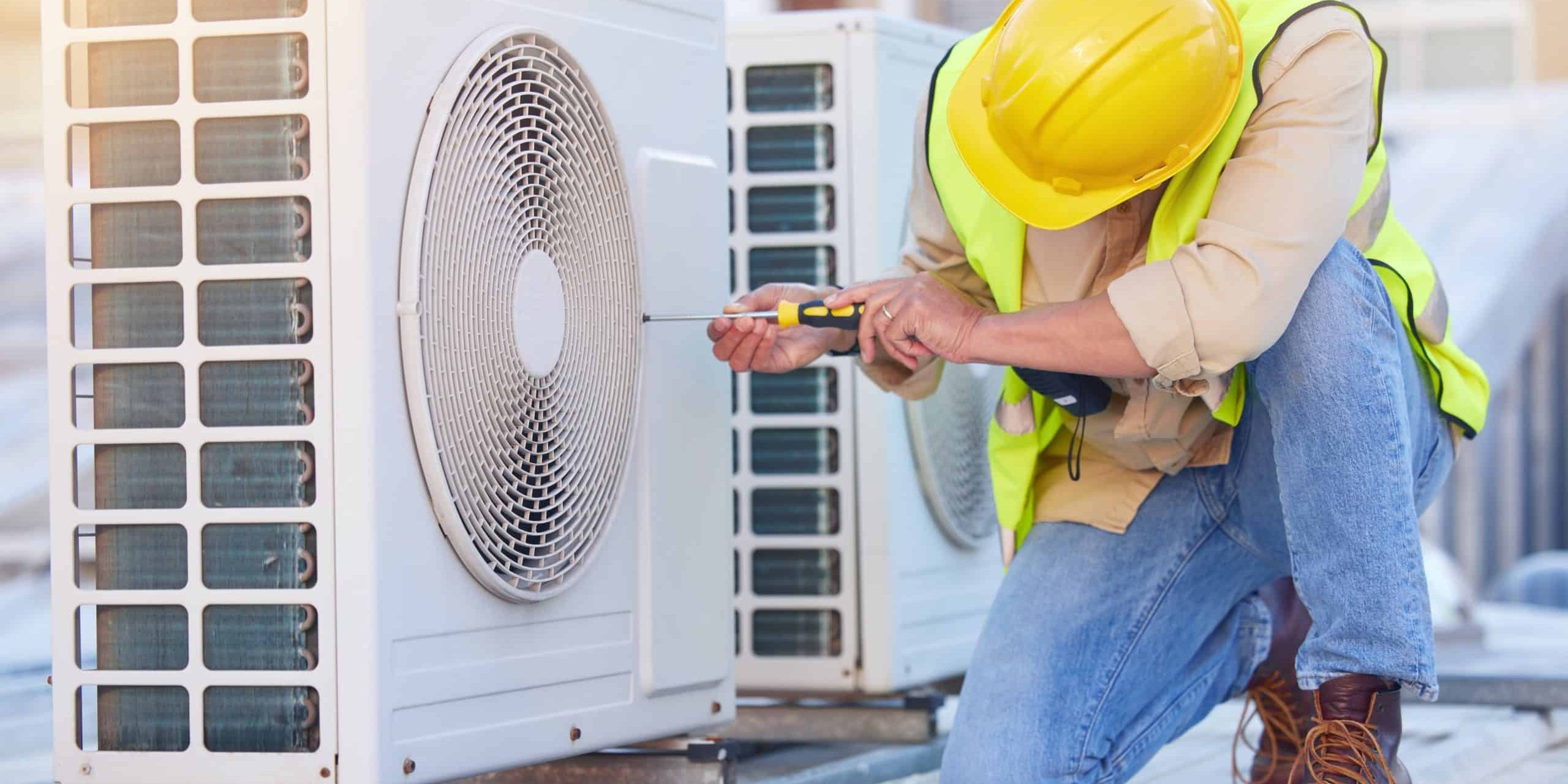
Are you considering a heat pump for your home but feeling overwhelmed by the installation process? Don’t worry; you’re not alone! Many homeowners have the same questions and concerns, from figuring out the best time for installation to understanding how much they should budget. Heat pumps can be a fantastic choice for energy efficiency, but knowing what to expect is essential for a smooth experience. In this article, we’ll tackle the top 10 frequently asked questions about heat pump installation, so you can feel confident in your decision-making and enjoy the comfort of your new system without any surprises. Let’s dive in!
The top FAQs about heat pump installation include inquiries about the best time for installation, the expected costs, potential energy savings, compatibility with existing systems, necessary permits, and maintenance requirements. Understanding these aspects can help homeowners make informed decisions and ensure a smooth installation experience.
What Is a Heat Pump and How Does It Work?
A heat pump is an efficient heating and cooling system, acting as a versatile tool for homeowners looking to maintain comfort year-round. Unlike traditional systems that generate heat by burning fossil fuels, heat pumps excel at moving heat from one location to another. This means they can efficiently provide warmth in the winter by extracting heat from outside—even when it’s cold—as well as cool air in the summer by reversing this process.
Types of Heat Pumps
There are two primary types of heat pumps: air-source and ground-source, each with its own distinct operating method.
- Air-source heat pumps work by transferring heat between the indoors and the outside air, making them popular for moderate climates where temperatures rarely reach extremes.
- Ground-source heat pumps, also known as geothermal pumps, take advantage of the earth’s relatively constant underground temperature by transferring heat between the indoors and the ground. This makes them more effective in regions with extreme weather fluctuations because groundwater remains at a more stable temperature than air.
Understanding these two types opens up options for homeowners depending on their specific needs and local climate conditions. For example, if you live in a colder region, investing in a ground-source model may be a smarter choice due to its ability to perform efficiently under challenging outdoor conditions.
How Heat Transfer Works
Imagine a refrigerator, but in reverse. A heat pump extracts heat energy from outdoor air—even when it’s chilly—and moves it indoors to warm your home. When cooling is needed, the system simply reverses itself; it works similarly to an air conditioner by pulling warm indoor air outside. The key to this process lies in refrigerant cycling through phases of pressurization and evaporation, allowing it to absorb or release heat effectively.
At its core, this process utilizes a compressor that pumps refrigerant through coils inside and outside of your home. The refrigerant absorbs heat as it evaporates, transforming into gas, which is then compressed into a smaller volume—this increases its temperature significantly. As it passes through the indoor coils, it releases that heat into your home while returning to its liquid state before starting the cycle anew.
Efficiency
One of the most remarkable features of heat pumps is their efficiency. They can achieve efficiencies of three to four times more energy in heating or cooling output than they consume in electricity for operation. This high efficiency translates to lower energy bills over time compared to conventional heating systems.
Making informed choices about heating and cooling options is crucial in today’s environmentally conscious world. Understanding how heat pumps operate not only equips you with knowledge but also empowers you to make investments that enhance your home’s comfort while contributing positively to the environment.
With a solid understanding of what heat pumps are and how they work, it’s essential now to look deeper into the financial aspects involved in installing these systems.
What Happens During Heat Pump Installation?
The installation of a heat pump is often a smooth process when managed by experienced technicians, yet knowing the steps involved can help set realistic expectations for homeowners.
The first major step involves preparation. Technicians will conduct a thorough inspection of your existing heating system, assessing both the current ductwork and space requirements for the new heat pump system. This sets the foundation for an efficient installation and ensures that everything aligns with your home’s needs.
Initially, they may also need to address any upgrades necessary for electrical components to support the heat pump correctly. This could range from circuit enhancements to ensuring that your home’s wiring can handle the new system efficiently without overloading. A crucial factor lies in ensuring that these electrical updates are carried out correctly, as they directly affect how well your heat pump operates.
Next, the technicians move to mounting the unit. The indoor and outdoor units are positioned strategically; outdoor units typically require placement on a snow stand to elevate them off the ground, preventing any potential snow accumulation that could impede functionality during winter months. This attention to detail is vital for longevity and efficiency.
The following phase is all about connecting components. Refrigerant lines must be carefully run between both units, along with electrical wiring lines and thermostat connections. Each connection is meticulously sealed to isolate the system from external factors, which helps maintain energy efficiency—this can make a significant difference in your utility bills down the line.
Once everything is connected, the pivotal moment comes: testing. The system undergoes a comprehensive evaluation; technicians check for any leaks in the refrigerant line, confirm proper functioning of each component, and ensure safety standards are met.
Ensuring that all components work seamlessly together not only enhances performance but is also critical for your peace of mind when operating your new heat pump.
Homeowners should be prepared for the average installation process to take around four to eight hours, depending on complexity and existing infrastructure. It’s essential during this time to communicate with your installation team regarding any queries or specific needs that arise.
Being informed about these key steps will enhance your overall experience with the installation process and highlight the importance of working with knowledgeable contractors—a topic we will explore further in our next section.
Maintenance and Longevity of Heat Pumps
Regular maintenance ensures efficient operation and longevity for your heat pump. Think of it like taking your car for an oil change; neglecting routine maintenance can lead to costly repairs down the line. By being proactive, homeowners can save money and significantly extend the lifespan of their systems. It’s a small investment in time and effort that pays off handsomely in the long run.
Maintenance Tips
Scheduling annual professional inspections is a vital part of this equation. During these check-ups, technicians will check refrigerant levels, clean coils, and ensure that every component is functioning correctly.
It’s also critical that homeowners take an active role in their heat pump’s upkeep by regularly changing or cleaning filters, usually every one to three months depending on usage. A clogged or dirty air filter can significantly reduce efficiency and escalate energy costs, so this task shouldn’t be overlooked; consider it one of the most straightforward yet impactful maintenance activities you can perform.
Homeowners should also remember to clear away any foliage or debris surrounding the outdoor unit. This avoids airflow obstructions, which can lead to overheating and decreased performance. Clean coils make a substantial difference in the system’s efficiency, and if they look dirty, don’t hesitate to give them a good rinse.
As you maintain your heat pump, keep track of service dates and filter changes. Creating a simple calendar reminder can help you stay organized and prompt necessary actions before issues arise.
Expected Lifespan
The average lifespan of a heat pump hovers around 15 to 20 years with proper care. Regular maintenance routines can potentially extend this period another five years or more, providing even longer comfort. Leading brands such as Mitsubishi and Carrier take pride in their durable systems, often backing them with comprehensive warranties that further assure homeowners of their investment’s longevity.
In reality, many homeowners tend to overlook basic maintenance tasks due to busy schedules or simply forgetting—only realizing the importance when they encounter sudden breakdowns or inflated energy bills. However, investing just a little time each month on essential maintenance activities can lead to better air quality and enhanced comfort throughout your home.
For more expert tips on maintaining your heat pump, visit edgeenergyme.com. You’ll find resources that will empower you as a homeowner to transform your knowledge about heat pump maintenance into confident action!
Taking control of your heat pump’s maintenance is not only beneficial but essential for ensuring its efficiency and longevity. If you’re ready to enhance the way you manage your home’s energy systems, don’t hesitate to reach out at Edge Energy or call us at 207-317-3009 today!
