
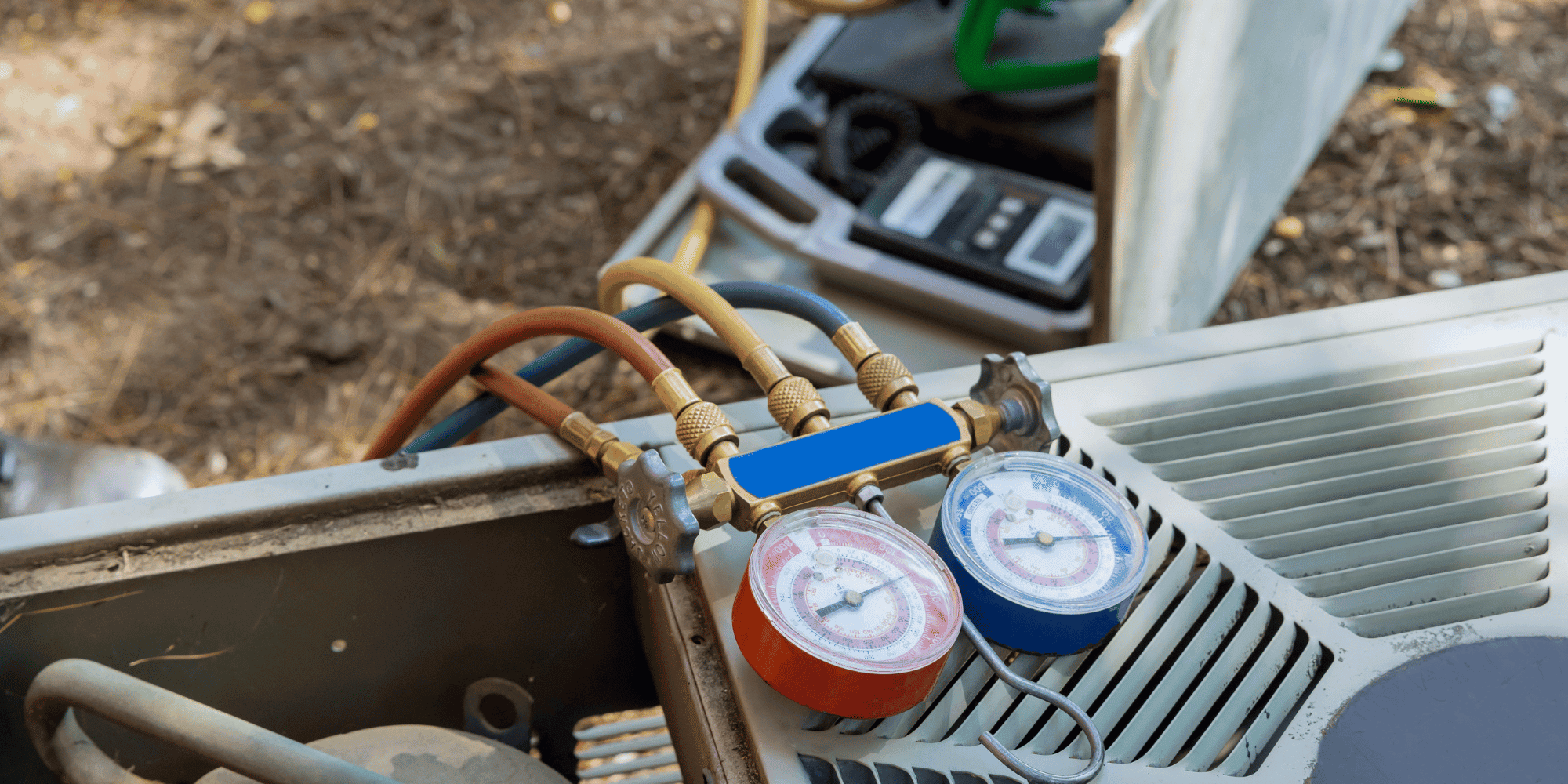
You bought your HVAC system expecting reliable warmth in winter and cool relief in summer, with the warranty providing ultimate peace of mind. But what happens when that peace shatters with a costly repair you thought was covered? Often, the culprit is the complex, often impenetrable language hidden within your warranty’s fine print, full of exclusions homeowners rarely understand upfront. We’ll demystify these confusing terms, reveal common pitfalls, and guide you through navigating claims. Learn how to ensure your HVAC investment in Maine is truly protected, not just seemingly so.
Navigating HVAC Warranty Coverage
Understanding HVAC warranties in Maine is crucial for protecting your investment. Many homeowners find themselves puzzled by the complex language and numerous exclusions that come with these warranties. In this section, we’ll break down the essentials of HVAC coverage, helping you uncover the truth behind the fine print and common exclusions.
Decoding HVAC Fine Print
The fine print in HVAC warranties often contains dense legal jargon that can be puzzling. It’s important to understand the terms to avoid future disappointments.
First, identify terms like “limited warranty” or “extended coverage”. Limited warranties may only cover specific parts or services, while extended coverage might offer more robust protection for additional costs.
Another critical term is “exclusions”. Exclusions are components or issues not covered. Knowing these can prevent misunderstandings about what your warranty offers.
Now, read the warranty’s duration and conditions. Often, coverage is contingent on regular maintenance. Skipping scheduled services could void your warranty, leaving you unprotected.
Common Exclusions Explained
HVAC warranties frequently have exclusions that can catch homeowners off guard. Common exclusions include:
- Cosmetic damage: While scratches and dents may not affect function, they typically aren’t covered.
- Improper installation: If a non-certified technician installs your system, you might void the warranty.
- Neglect or misuse: Failing to maintain your HVAC system properly can lead to denied claims.
Understanding these exclusions can help manage expectations and ensure proper maintenance of your system. Always review your warranty documents thoroughly and consult with professionals to maximize your HVAC investment protection.
Simplifying the HVAC Claims Process
Filing a claim can be a daunting task if you’re not prepared. This section will walk you through the steps to file an HVAC claim and common pitfalls to avoid, helping you navigate the process with confidence.
Steps to File an HVAC Claim
Filing an HVAC claim involves several steps. Here’s a straightforward guide to help you:
- Review your warranty: Before filing, ensure your issue is covered under the warranty terms.
- Document the problem: Take pictures and notes of the issue for evidence.
- Contact the provider: Call the warranty provider to initiate the claim. Have your documentation ready for reference.
- Schedule an inspection: A technician may need to inspect your system to verify the issue.
- Follow up: Keep track of the claim’s progress and communicate with your provider if there are delays.
By following these steps, you can streamline the claims process and increase your chances of a successful outcome.
Avoiding Common Claim Pitfalls
To prevent claim rejections, it’s important to avoid common pitfalls:
- Skipping maintenance: Regular service is usually required to keep your warranty valid.
- Using unauthorized service providers: Always use approved technicians to avoid voiding your warranty.
- Not keeping records: Maintain a file of all maintenance and repair records.
By steering clear of these mistakes, you can ensure a smoother claims process and protect your HVAC investment.
Protecting Your HVAC Investment
Ensuring comprehensive HVAC coverage and understanding your warranty can safeguard your investment. This section will provide tips on how to protect your system and avoid homeowner warranty confusion.
Ensuring Comprehensive HVAC Coverage
For comprehensive coverage, consider these strategies:
- Purchase extended warranties: They offer more protection than standard warranties.
- Regular maintenance: Follow the recommended schedule to keep your warranty valid.
- Professional installation: Use certified technicians for installation to avoid issues with warranty claims.
By taking these steps, you can enhance your HVAC investment protection and ensure long-term system performance.
Tips for Homeowner Warranty Confusion
To reduce confusion, here are some practical tips:
- Ask questions: Don’t hesitate to seek clarification on any terms or conditions you don’t understand.
- Keep a copy of the warranty: Easily accessible documentation helps in case of a dispute.
- Consult professionals: When in doubt, reach out to HVAC experts for guidance.
Staying informed and proactive can help you navigate the complexities of HVAC warranties and maintain peace of mind.
Maximizing Your HVAC Investment and Peace of Mind
Don’t let confusing HVAC warranties leave you in the cold – or the heat! By understanding the fine print and knowing your common exclusions, you can proactively protect your significant investment. Remember, a clear understanding of your coverage, coupled with diligent maintenance, is your best defense against unexpected repair costs.
And for Mainers looking to boost their home’s efficiency and save even more, don’t forget to explore the fantastic incentives offered by Efficiency Maine. Their programs can help make high-efficiency upgrades more affordable, adding another layer of protection and value to your home. Visit their website for details on available rebates and resources!
