
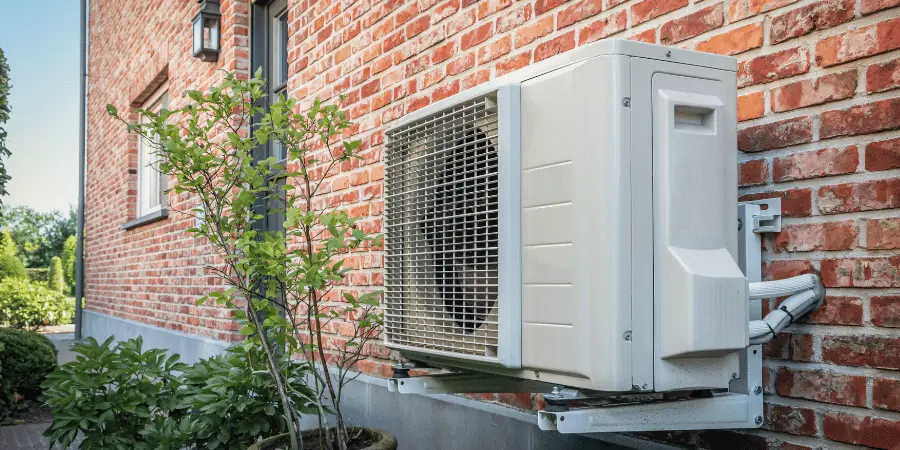
Most Mainers with heat pumps treat them like regular AC units, cranking the temperature down to beat the sticky summer air. The result? A freezing house that still feels damp and heavy. Learning how to use your heat pump’s dry mode changes everything. It tackles humidity without turning your living room into an icebox.
At Edge Energy, we want to help you maximize your home comfort. Keep reading for practical humidity control strategies that make Maine’s humid Augusts feel comfortable again.
Understanding Heat Pump Dry Mode
Unlocking the full potential of your heat pump starts with understanding how the dry mode setting actually functions. This feature is a game changer for tackling humidity without overcooling your home.
What Is Dry Mode?
Unlike the standard cooling setting, dry mode is designed to remove excess moisture from the air instead of simply lowering the temperature. Rather than running the compressor at full capacity, the system cycles air more slowly through the unit, reducing humidity while maintaining a comfortable indoor temperature.
The result is a home that feels cooler and more comfortable because the air is drier, not because the thermostat is set significantly lower.
Benefits of Using Dry Mode
Switching to dry mode does more than improve comfort. It helps reduce the muggy feeling common during Maine summers while creating a healthier indoor environment.
- Reduces indoor humidity for greater comfort.
- Helps discourage mold and mildew growth by lowering moisture levels.
- Uses less energy than running your system in full cooling mode for extended periods.
- Improves overall comfort without making your home feel overly cold.
Common Misconceptions
Many homeowners assume dry mode is simply a weaker version of air conditioning, but that’s not its purpose. Dry mode focuses on humidity control rather than aggressive cooling.
While cooling mode is still the best choice during extreme heat, dry mode is often ideal on warm, sticky days when excess humidity is the primary source of discomfort.
Humidity Solutions for Maine Homes
Understanding dry mode is only the beginning. Using it correctly helps create a more comfortable and energy-efficient home throughout Maine’s humid summer season.
Ideal Settings for Humid Augusts
During humid weather, set your thermostat a few degrees higher than you normally would in cooling mode. This allows your heat pump to focus on removing moisture while maintaining a comfortable indoor temperature.
As humidity decreases, your home naturally feels cooler even without lowering the thermostat.
Efficient Cooling Without Overcooling
One of the biggest advantages of dry mode is that it helps eliminate that common cycle of making your house uncomfortably cold just to reduce stickiness. Instead, your heat pump gradually removes moisture while maintaining balanced comfort and reducing unnecessary energy use.
Practical Dehumidification Tips
For the best results, combine dry mode with a few simple habits:
- Keep windows and doors closed while the system is operating to prevent humid outdoor air from entering.
- Clean your filters regularly to maintain proper airflow and system efficiency.
- Use ceiling fans to improve air circulation throughout your home.
- Run bathroom and kitchen exhaust fans to remove excess moisture where it starts.
Long-Term Humidity Control Strategies
Creating a comfortable home means balancing both temperature and humidity. Using dry mode during warm, muggy days and switching to cooling mode only when temperatures become extreme helps maximize both comfort and efficiency.
Regular maintenance is equally important. Scheduling routine heat pump service and addressing any moisture issues around your home helps your system perform at its best year after year.
Optimize Your Home’s Climate for Less
Improving your home’s comfort doesn’t have to come with a high price tag. If you’re planning to upgrade your heat pump or improve your home’s energy efficiency, you may qualify for valuable incentives through the Efficiency Maine program.
Learn how much you could save by exploring the Edge Energy Efficiency Maine page or contact the team at Edge Energy to discuss the best solution for your home.
