
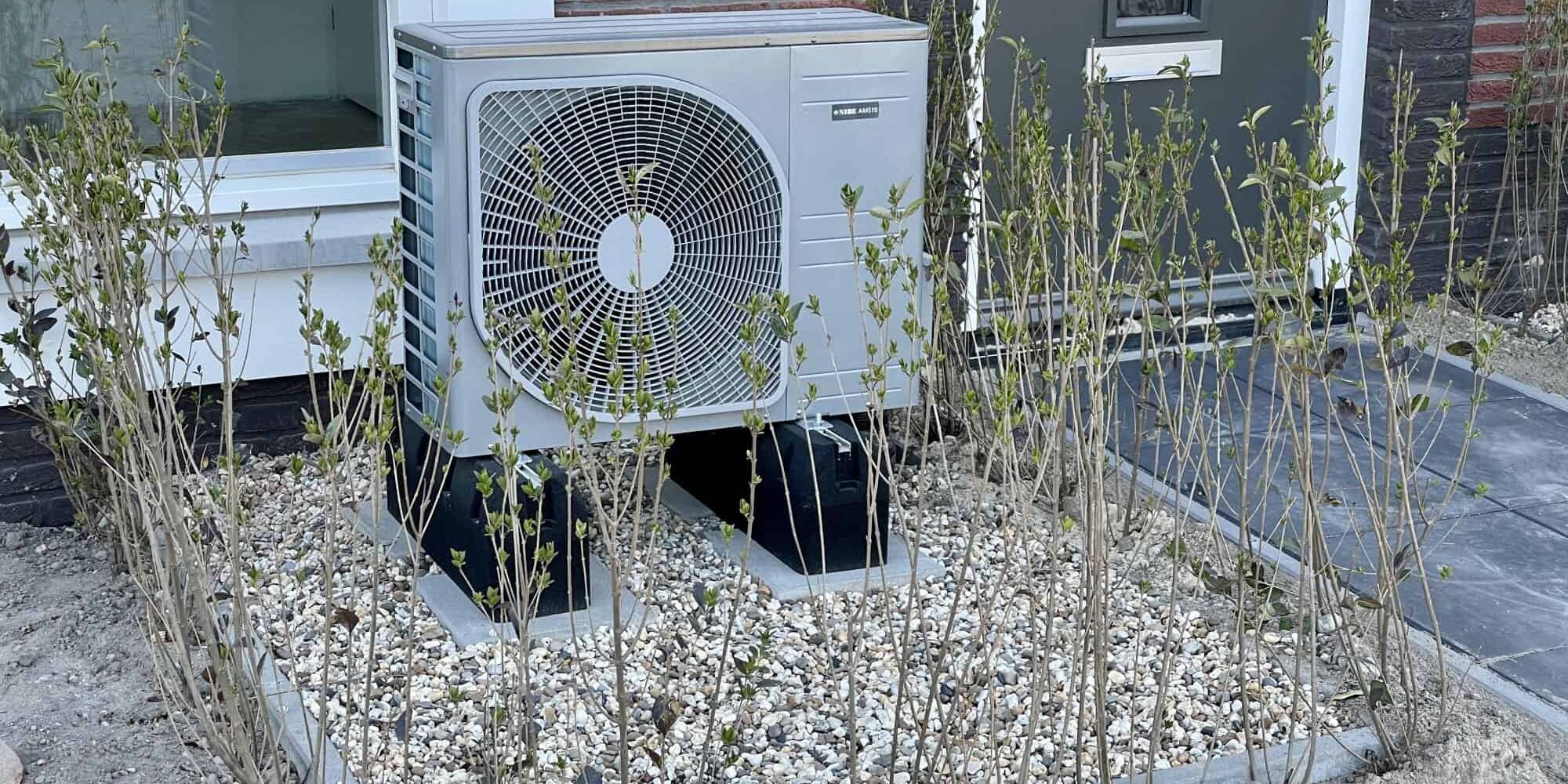
Is your home ready for another brutal Maine winter? If you’re tired of sky-high heating bills and struggling to keep your home warm, you might have heard about heat pumps as an energy-efficient alternative. But do they actually stand up to Maine’s freezing temperatures?
Let’s break down the real-world performance of heat pumps in extreme cold, explore how new technology is changing the game, and help you decide if they’re a smart investment for your home.
Heat Pump Efficiency in Extreme Cold
As opposed to regular heating systems that generate heat, heat pumps transfer heat from the outside air into the home. This process works well in moderate temperatures, but as the mercury drops, the amount of heat available in the air decreases, making it harder for the system to extract and deliver warmth efficiently.
However, modern cold-climate heat pumps are designed specifically to handle these conditions, with advanced compressors and refrigerants that allow them to operate effectively even at subzero temperatures.
Snow and Ice Performance
Since air-source heat pumps rely on pulling heat from the outside air, they can become obstructed by things like:
- Snow drifts
- Ice accumulation
- Freezing rain
These can reduce their efficiency or even cause temporary malfunctions. When the outdoor unit becomes covered in snow or ice, airflow is restricted, making it harder for the system to extract heat effectively.
To counteract this, heat pumps are equipped with automatic defrost cycles that periodically melt ice off the coil, preventing significant efficiency losses. However, heavy snowfall and extreme ice storms may still require homeowners to manually clear the area around the unit. Proper heat pump installation can help you avoid these issues.
Be Careful About Furnace Repair
It’s important to be mindful of furnace repair and maintenance, especially during the coldest months. If a furnace is set to kick in too soon (before the heat pump reaches its efficiency limits) it can reduce overall energy savings. In many cases, a properly installed heat pump should be able to handle most winter conditions without immediate reliance on a furnace.
Maintenance Tips
Regular maintenance is very important to ensure that a heat pump performs efficiently throughout Maine’s harsh winters. Because heat pumps work by switching heat from the chilly outside air, any obstruction or inefficiency in the system can significantly impact performance, especially in extreme cold. Proper upkeep helps maximize efficiency, reduce energy costs, and extend the lifespan of the unit.
One of the most important maintenance tasks is keeping your outdoor unit free of any snow and ice. Snow buildup around the unit can restrict airflow, making it harder for the heat pump to extract heat. Homeowners should regularly check the area around the unit and remove any accumulated snow or ice.
Installing the unit on a raised platform (at least 18-24 inches off the ground) can help keep it above typical snowfall levels. Additionally, positioning the unit in a sheltered location or using a protective cover designed for heat pumps can reduce exposure to ice and freezing rain.
Indoor maintenance is just as crucial. Homeowners should clean or replace air filters every few months to make sure they have proper airflow and system efficiency.
Dirty filters can reduce heat output and cause your AC system to have to work harder, leading to higher energy consumption. Checking and cleaning the indoor coils and vents can also help maintain consistent heat distribution throughout the home.
Backup Heating Considerations
When temperatures drop too low, even the best heat pumps may struggle to extract enough heat from the air to maintain comfort. For this reason, many homeowners choose to have a backup heating source to supplement their heat pump during the coldest days of the year.
Common backup heating options include oil, propane, or natural gas furnaces, which can automatically take over when the heat pump reaches its efficiency limits. Wood and pellet stoves are also popular choices in Maine, offering a cost-effective and reliable heat source during power outages or severe cold spells.
Electric resistance heating options, like baseboard heaters or built-in emergency heat strips in some heat pump systems, can provide supplemental warmth, but they’re far less energy-efficient and can lead to higher electricity bills.
When setting up a dual heating system, it’s important to ensure that the backup heat engages only when truly needed. If a furnace or other heat source turns on too soon, it can override the heat pump and reduce overall energy savings.
Many heat pump models include smart controls that allow homeowners to set a temperature threshold for when the backup heat activates, ensuring the system remains as efficient as possible. Regular maintenance and proper insulation and air sealing also help reduce the need for supplemental heat by keeping warm air inside the home and reducing heat loss.
Cost Savings Compared to Oil and Propane
Traditional fossil fuel heating systems (such as oil furnaces and propane boilers) can be expensive to operate, especially as fuel prices fluctuate. Heat pumps, on the other hand, are much more energy-efficient because they transfer heat rather than generate it, allowing homeowners to heat their homes at a fraction of the cost.
Heat pumps can be two to three times more efficient than oil or propane heating systems. For every unit of electricity used, a high-efficiency cold-climate heat pump can produce two to four units of heat energy, making them far more cost-effective.
Another factor that makes heat pumps more cost-effective is their dual-purpose functionality. Unlike oil and propane systems, which only provide heat, heat pumps can also serve as air conditioners in the summer, eliminating the need for a separate cooling system. This year-round efficiency helps further offset the initial installation costs.
Heat Pumps in Main: Stay Warm Today
Clearly, there’s a lot you need to understand about heat pumps for your Maine home. With this guide, you should be able to make the right decision for your needs.
Maine’s winters are no joke – but with Edge Energy’s expertly installed heat pumps, you’ll enjoy reliable, energy-efficient heating even in the harshest conditions. Our HVAC services specialize in cold-climate heat pumps designed for peak performance, keeping your home warm while cutting energy costs.
Contact us today for a free quote.
